So at last we had made it out of the UK, and despite being boarded by Dutch customs (they actually came a second time – different crew), and the police , they let us stay.
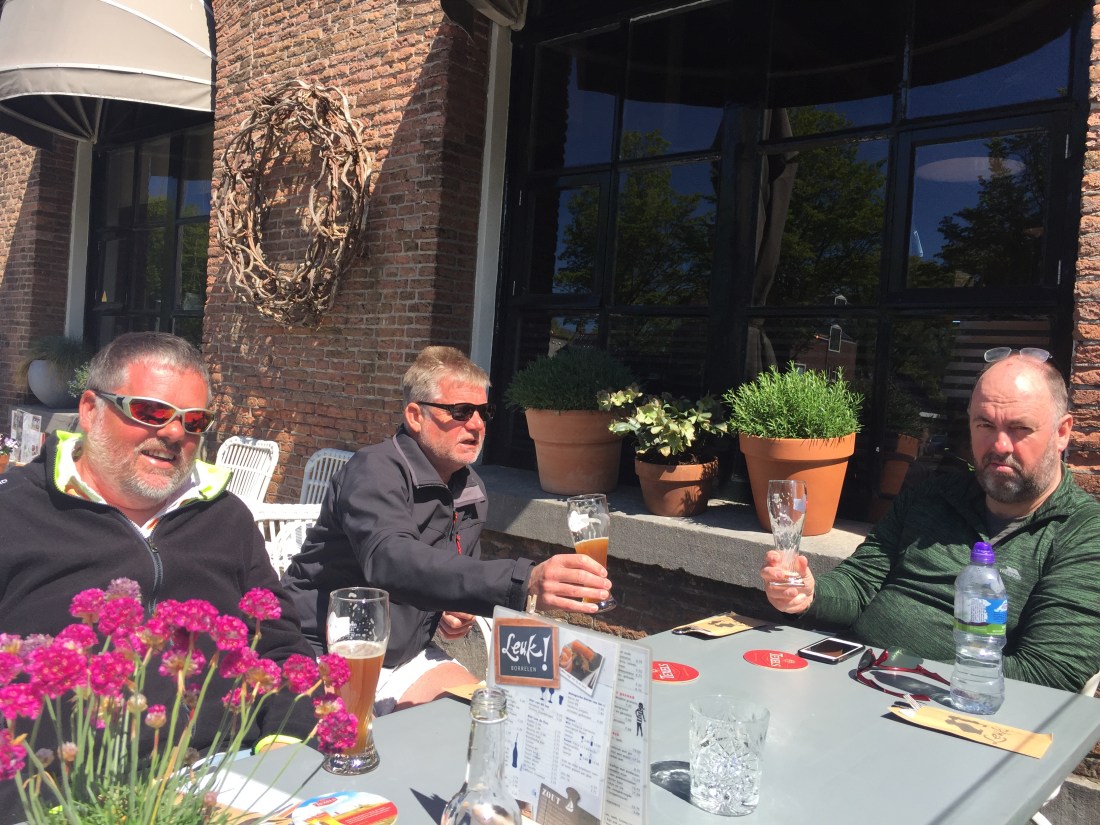
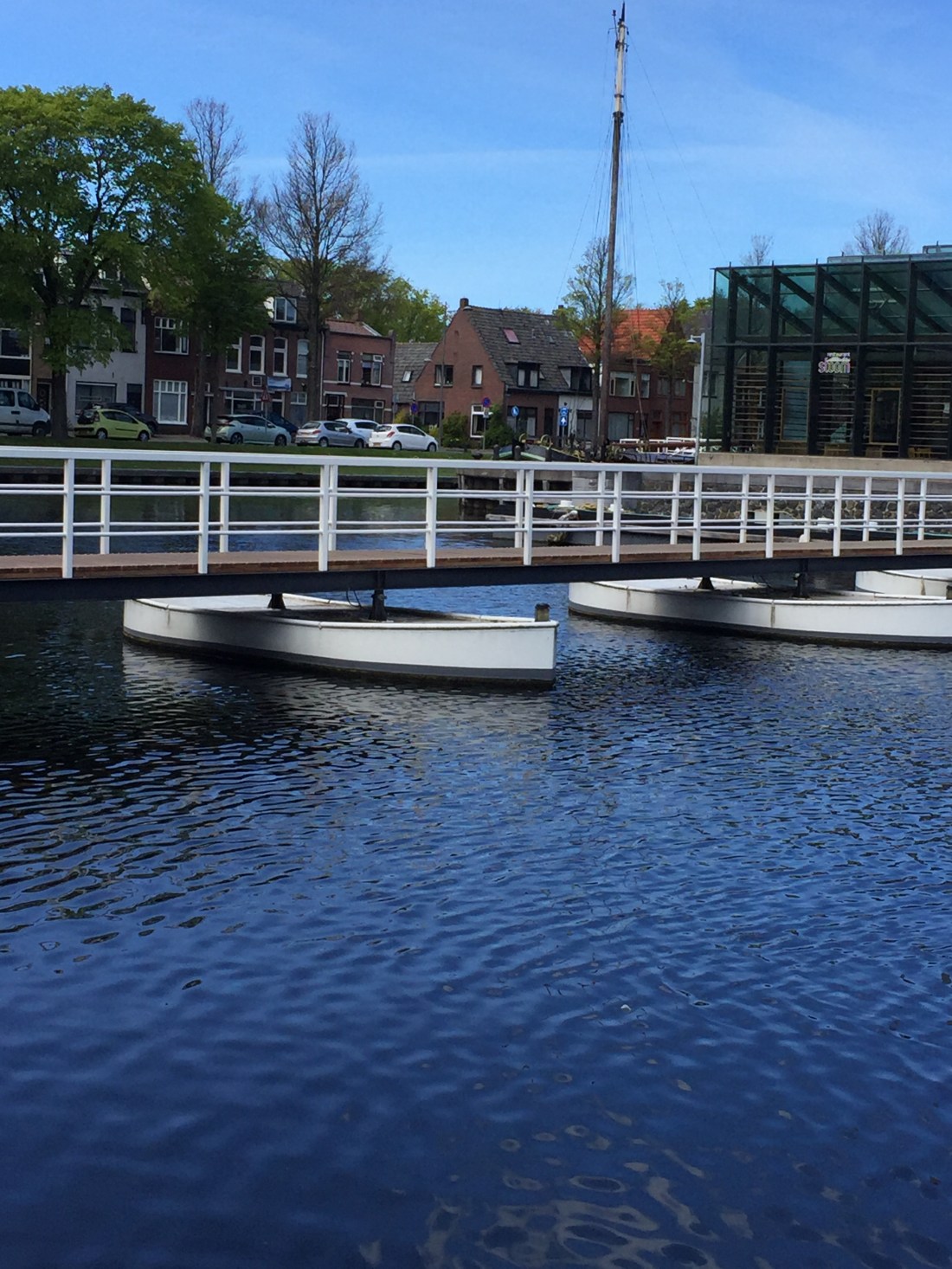
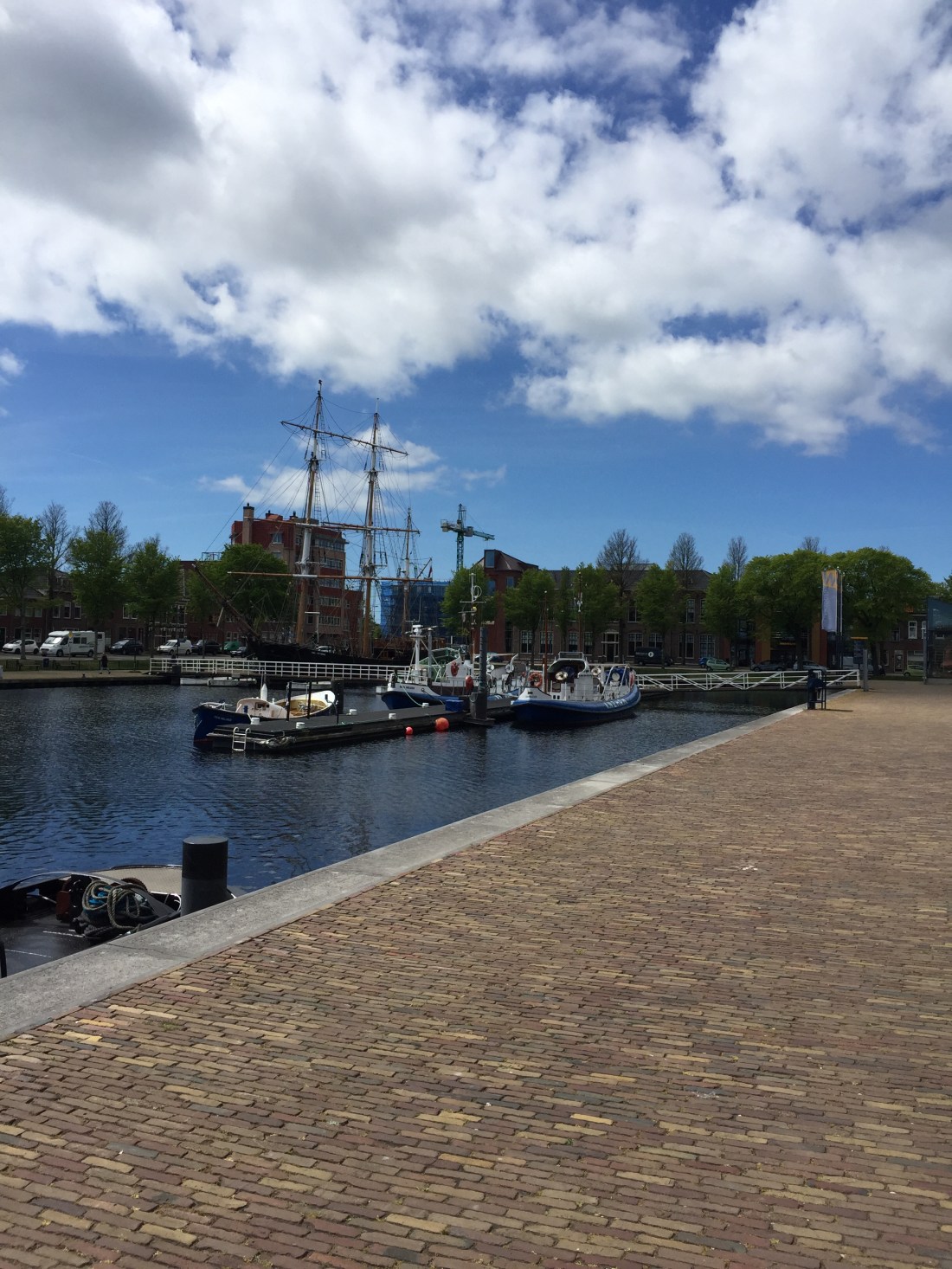
Den Helder was the first stop. It is listed as a naval port so I did not have many expectations. In reality it is actually very beautiful. There is a fantastic Maritime museum (which we did not have time to explore in detail) and a multitude of little café and bars (#which we did dedicate a little more of our time to). Despite the look on Dan’s face, it was actually a unanimous decision to drink beer rather than look at old submarines!
After a day we set off on the path North . This part of the cost from here up until you hit Denmark has a set of islands called the Frisian islands, both German and Dutch. They are in essence large sand dunes with about 0.5 to 2 M of water on the inside (between the islands and the mainland – this stretches for miles in land). So although they are islands, for our purposes , we needed to treat them as coast line. There were only about 3 we could stop at over the 160 miles of coast due to our draft. We stopped at two. The locals we talked to were all very casual about it being so shallow and their advice was to ‘use more power’ if we ran aground as it’s only sand!
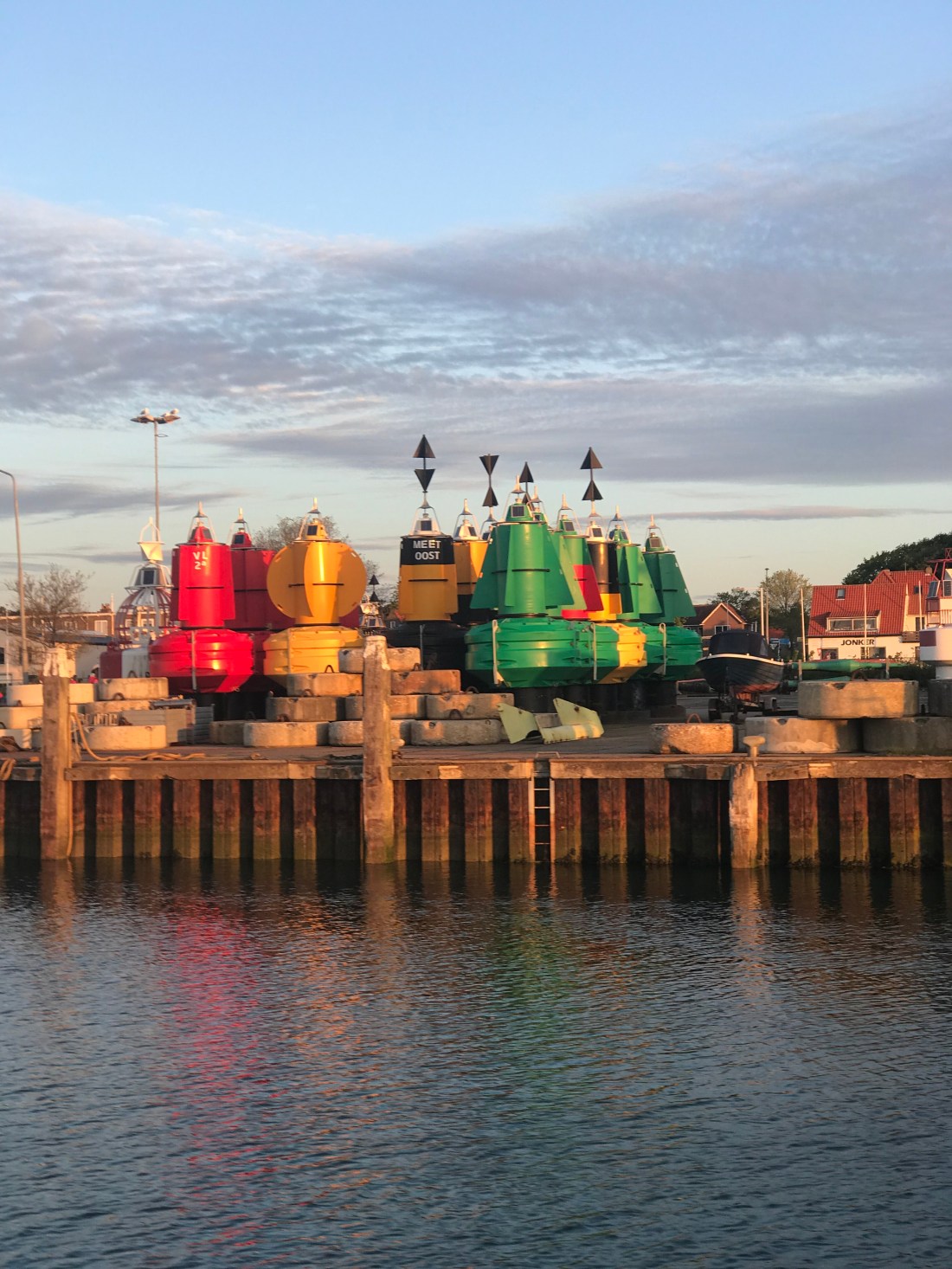
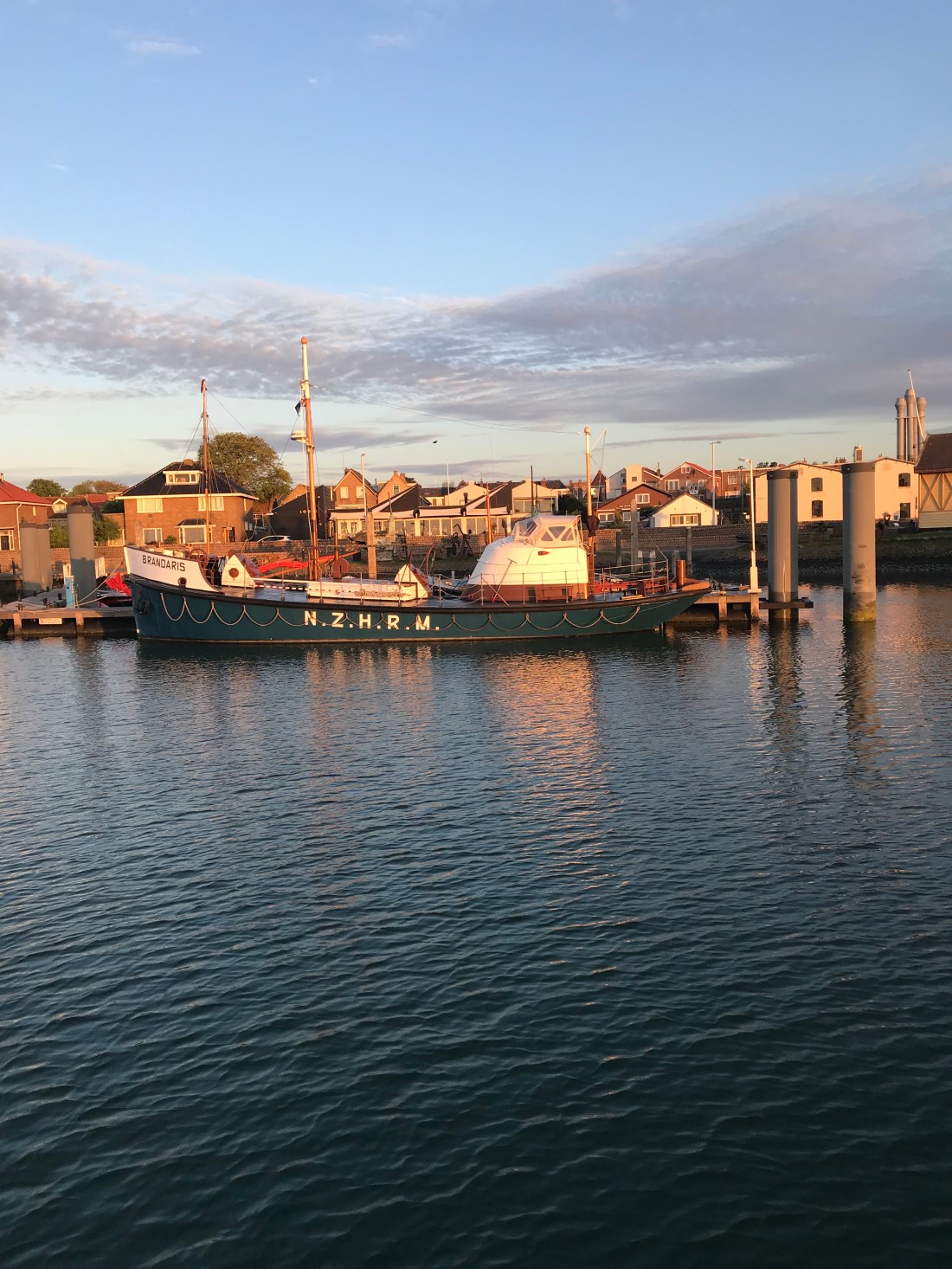
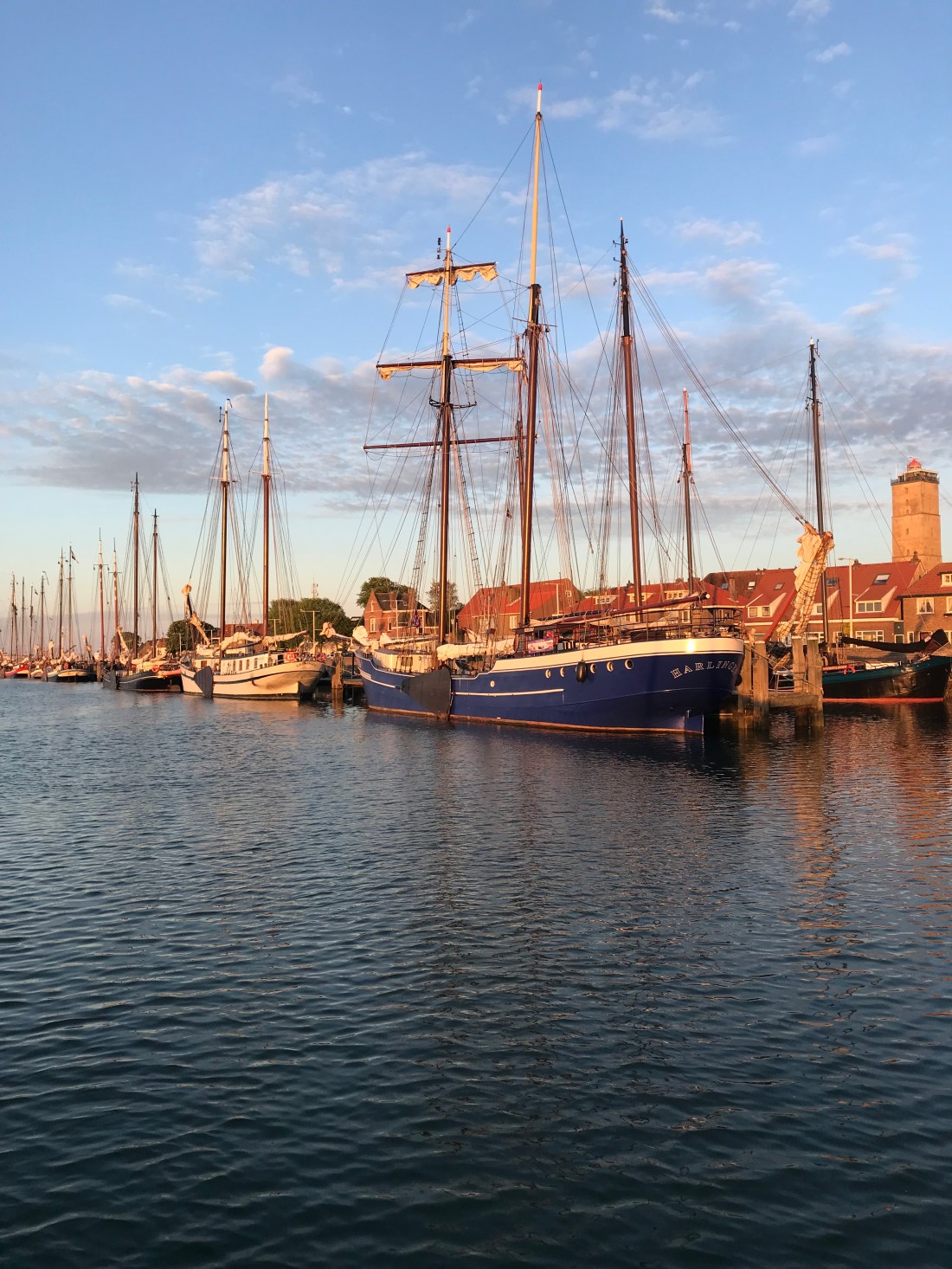
The first was Terschelling. It is a beautiful island. Most of the island are nature reserves. We were only there for an evening. It appeared to be the gathering place for all of the Dutch tall masted sailing ships. Some were full of teenagers on training events and some were clearly catering for tours of the coast line
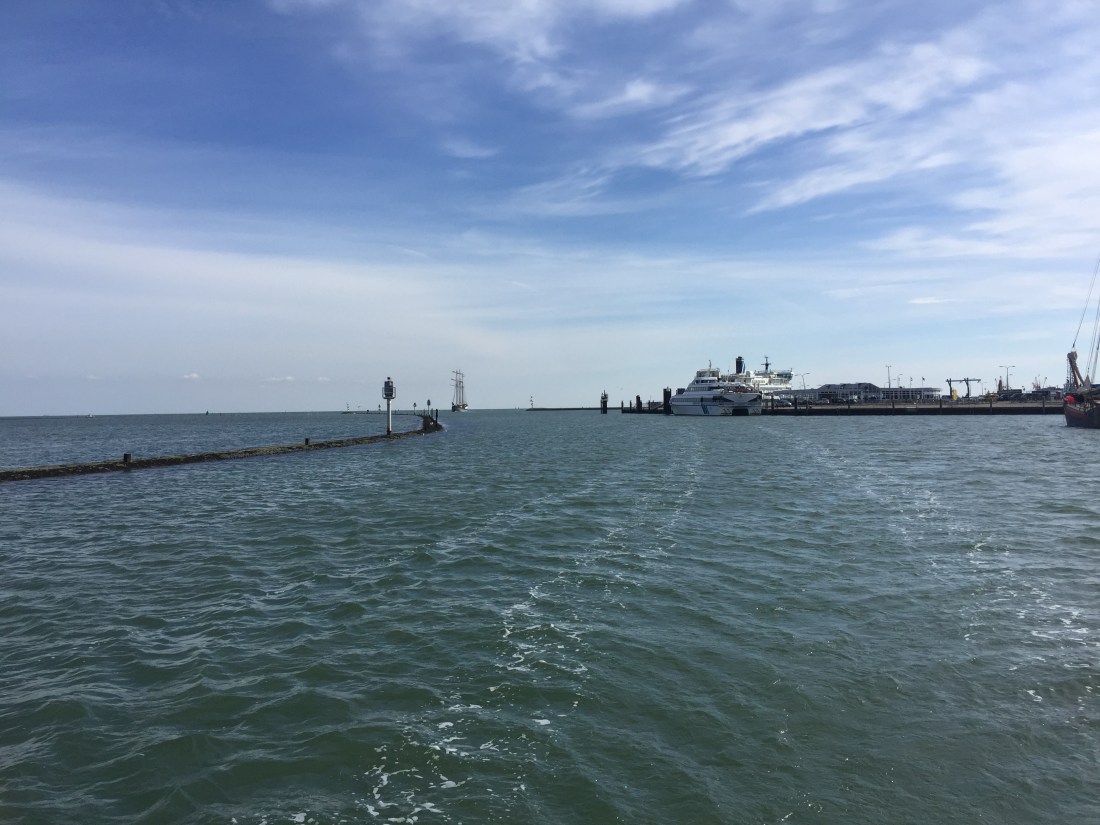


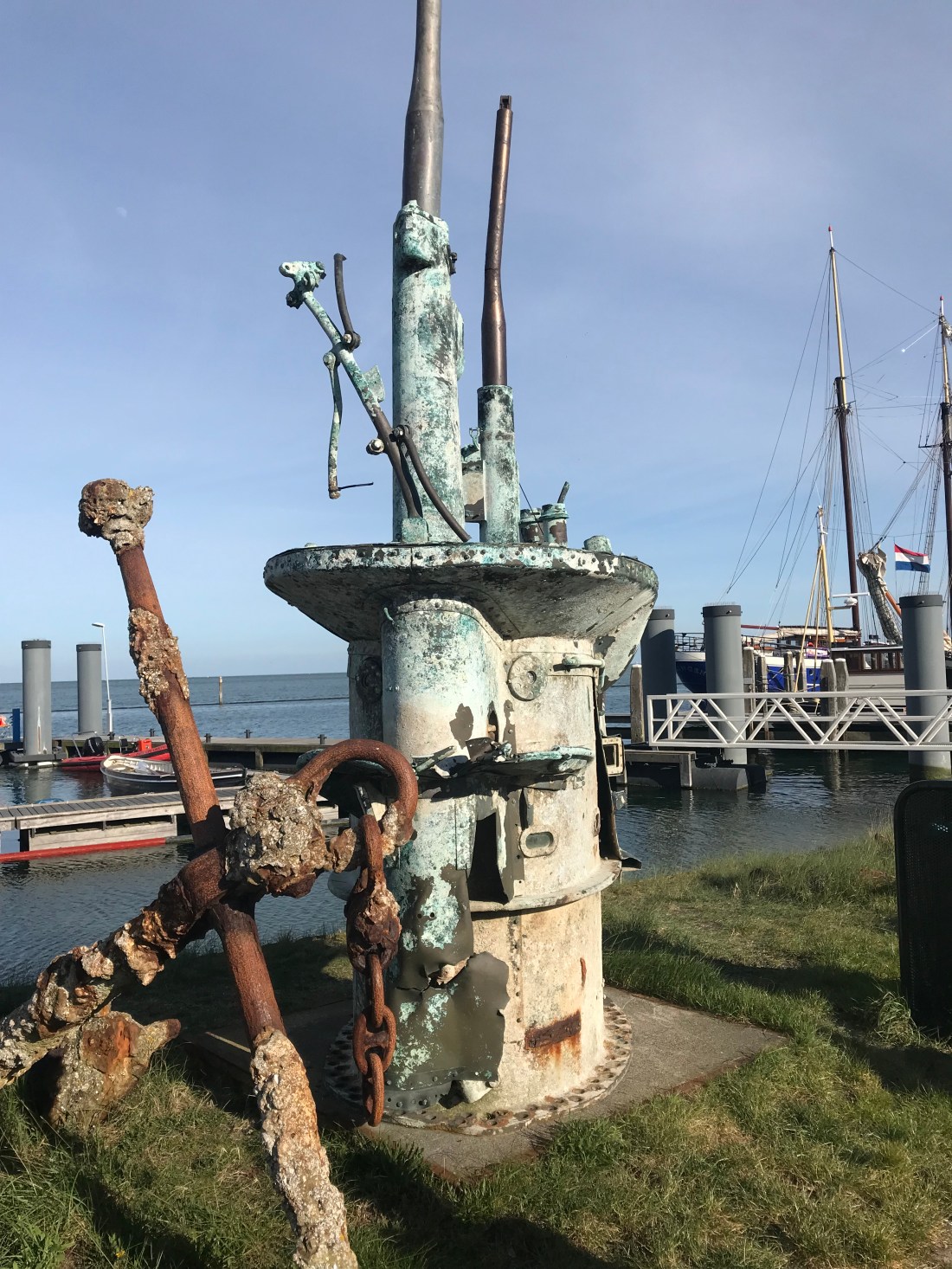
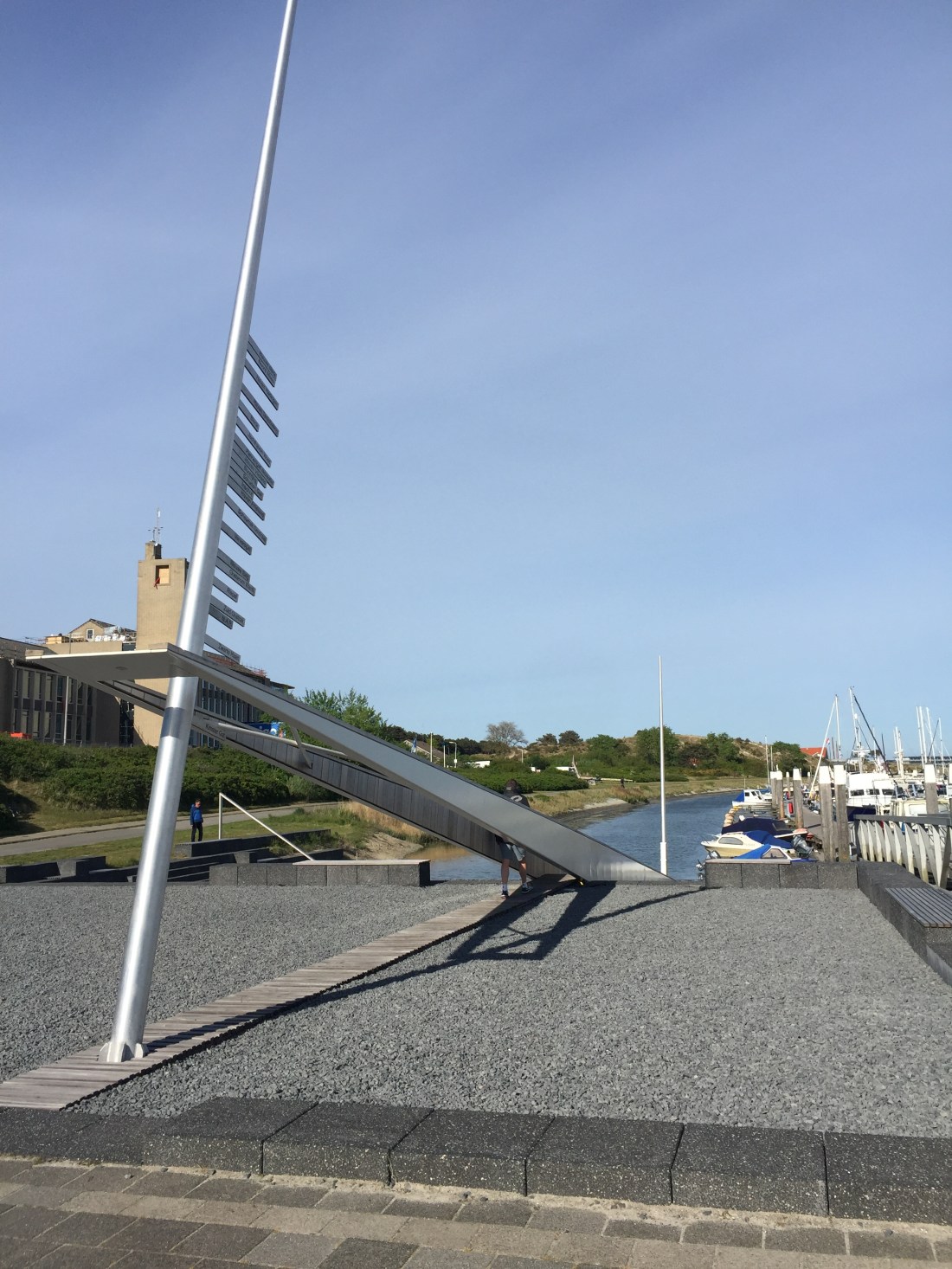
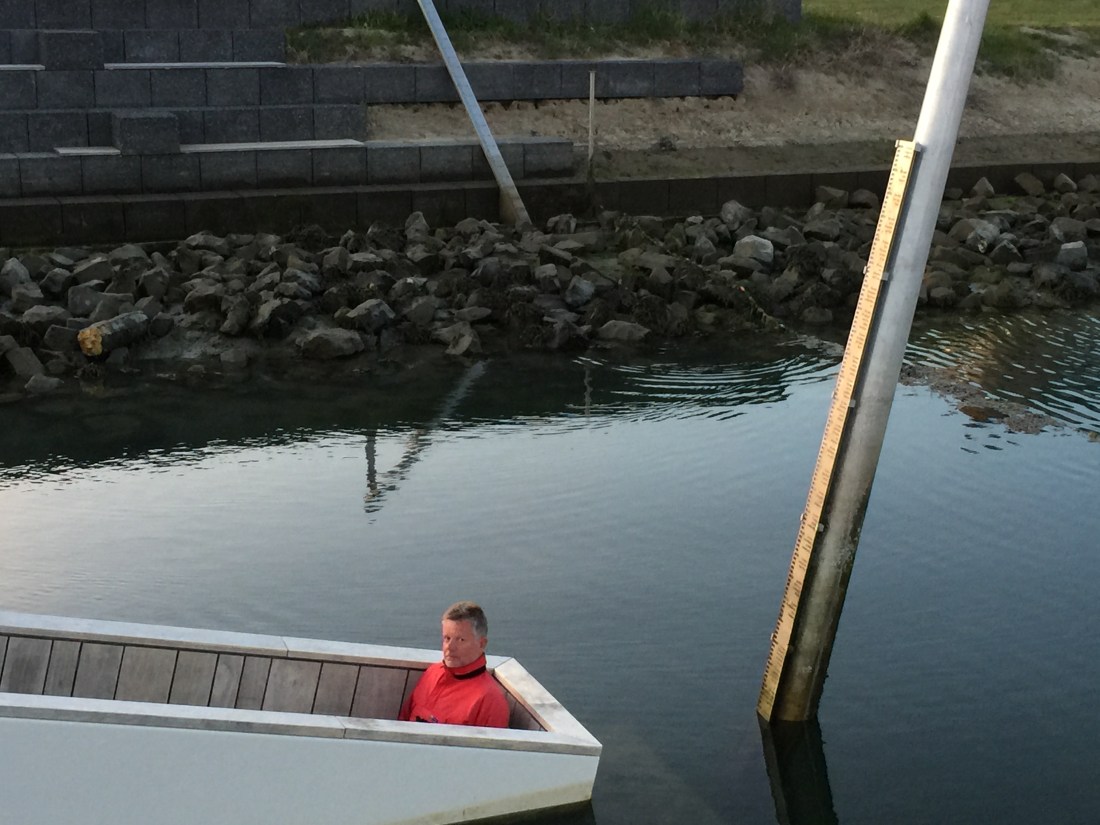
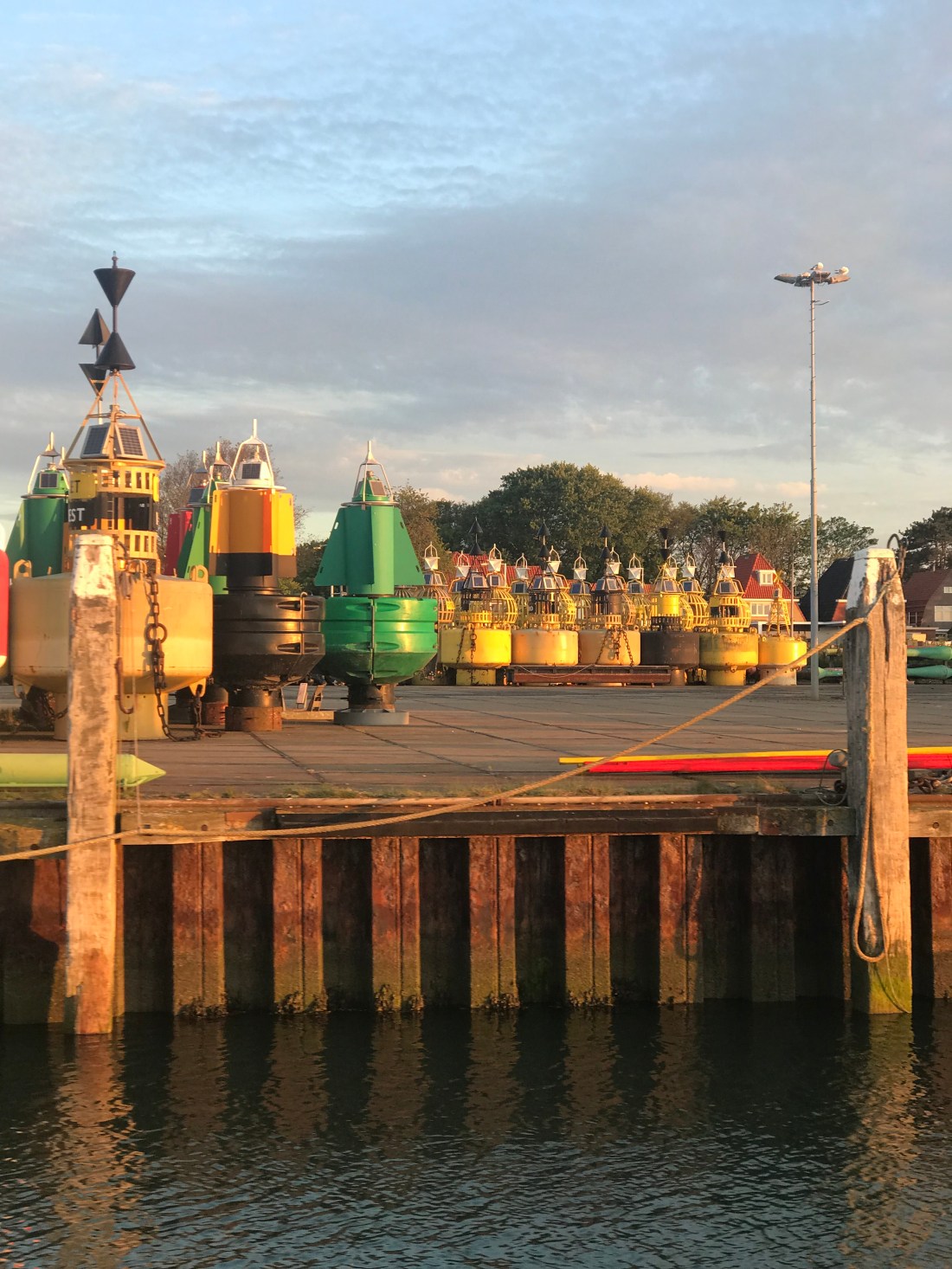

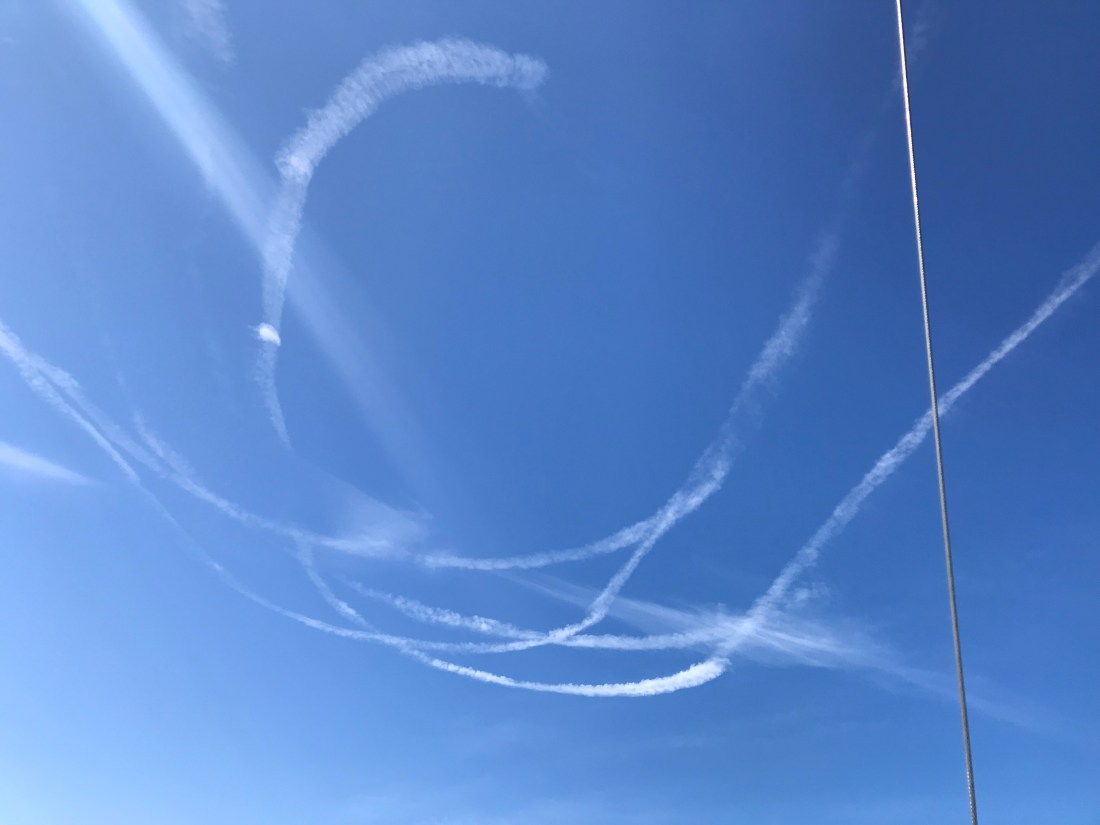
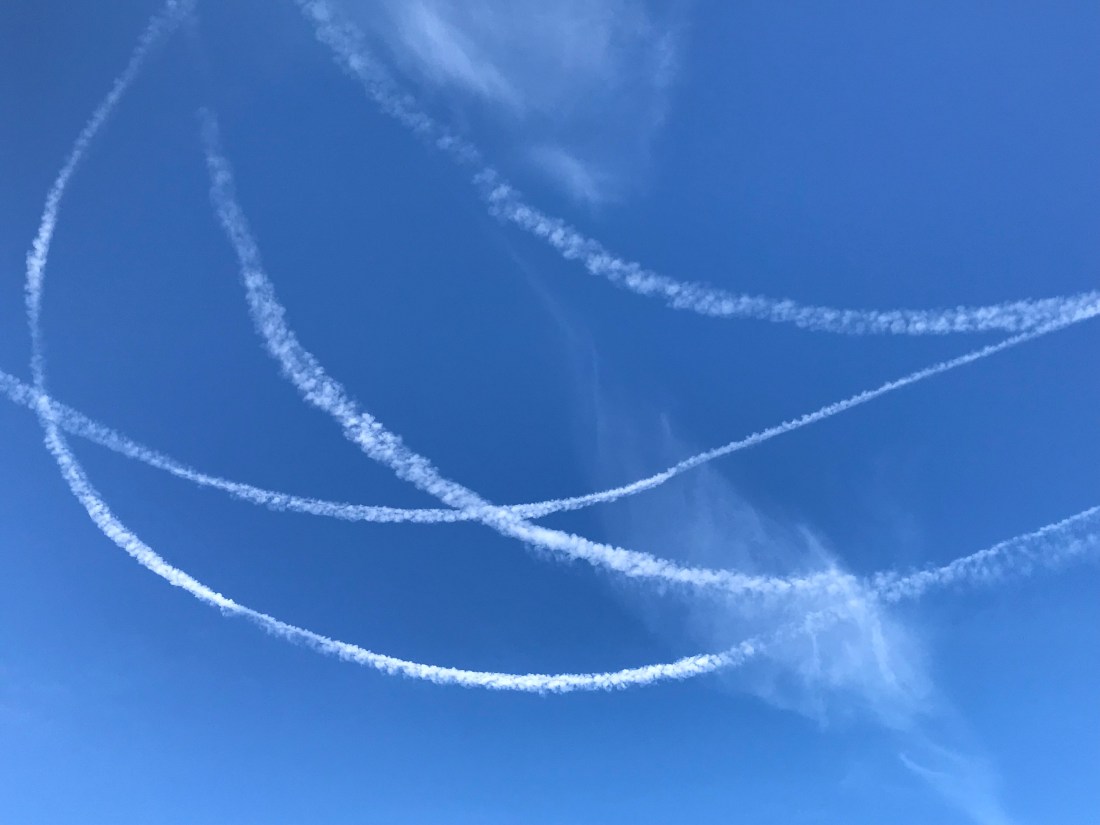
The next stop was Germany, but before we left Dutch waters we were called on the radio (wakes you up when someone calls your boat name) to ask if we could stay 3 miles off shore as they were practicing live bombing practice on the island we were passing. (Yes Danny , I should listen to the notice to mariners !) Not a request I felt we should refuse. We had a ring side seat watching the bomers come in , drop the load, pull up, then the double “Brumph” as the shells. exploded. Maybe this was another way of welcoming us to the Netherland???
Germany
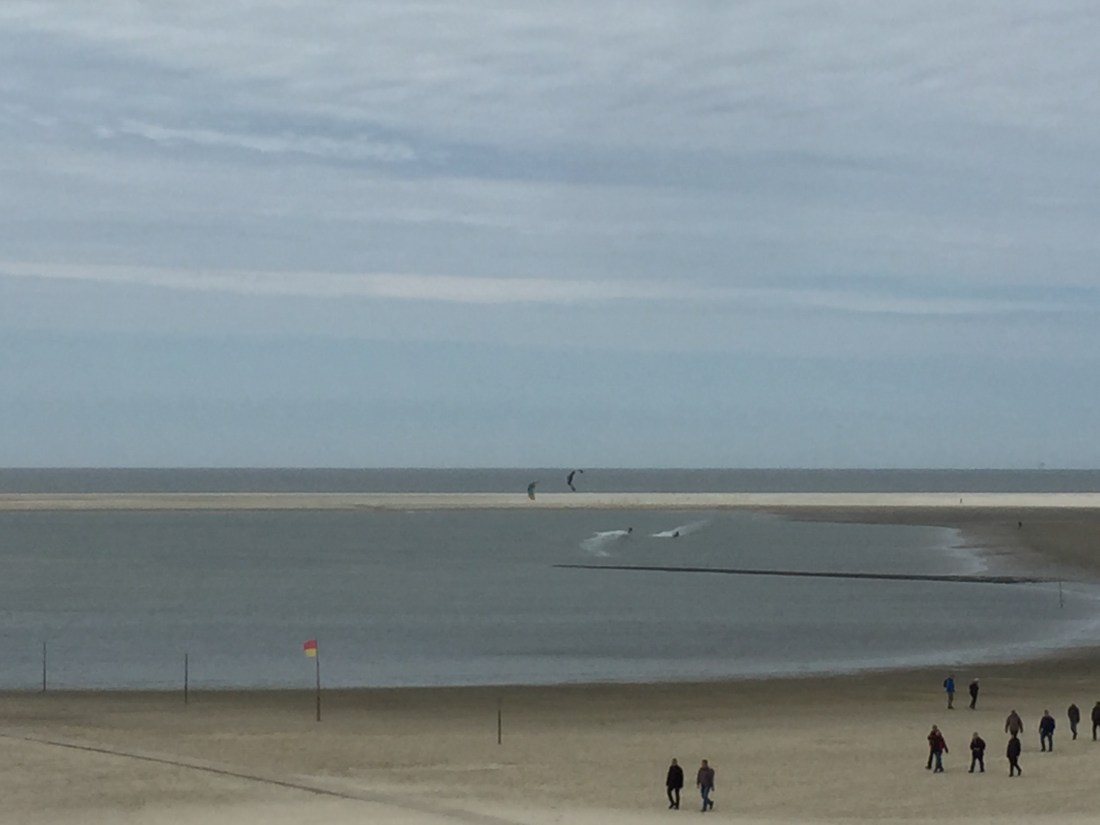
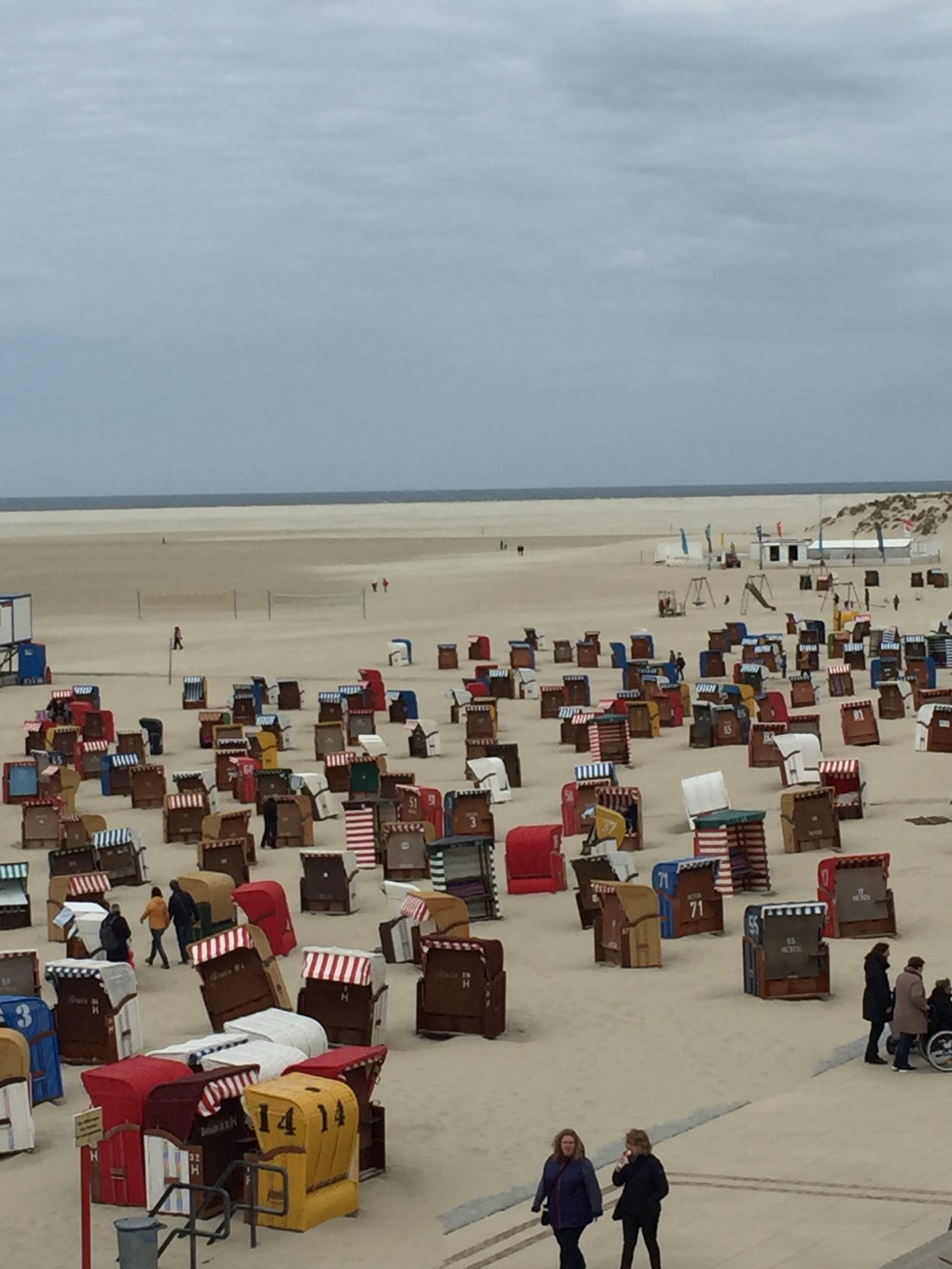
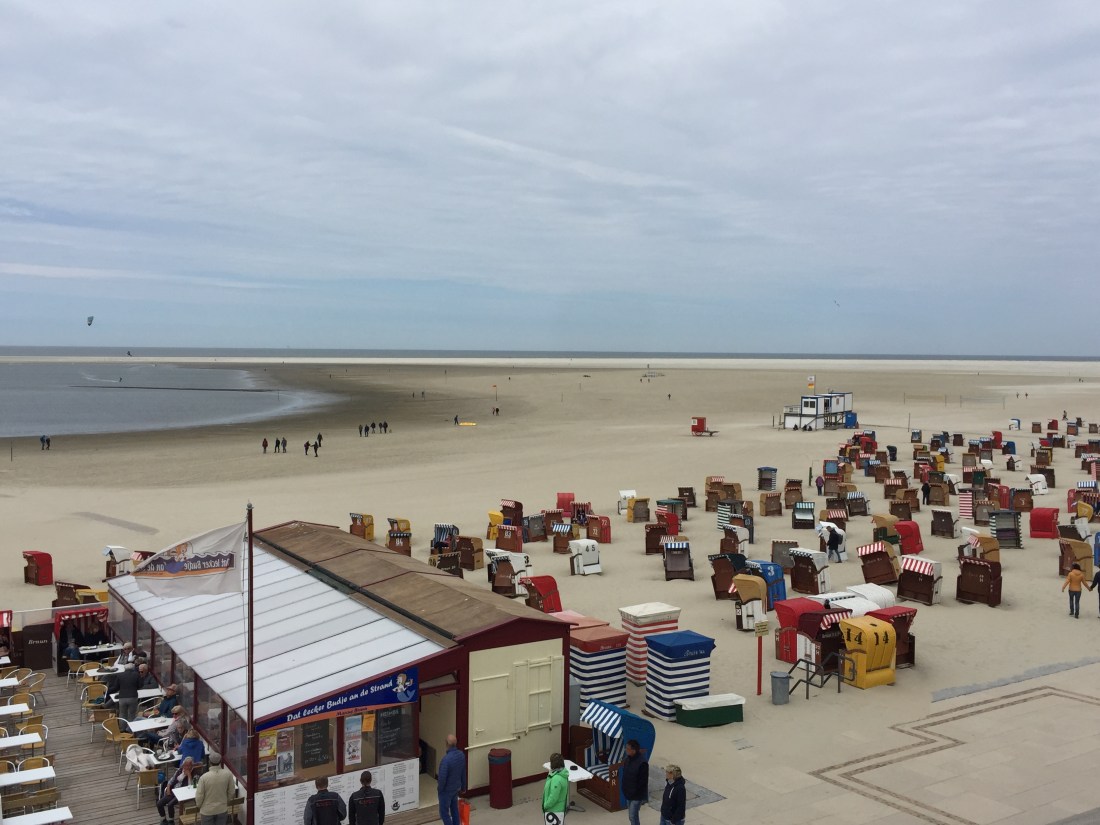
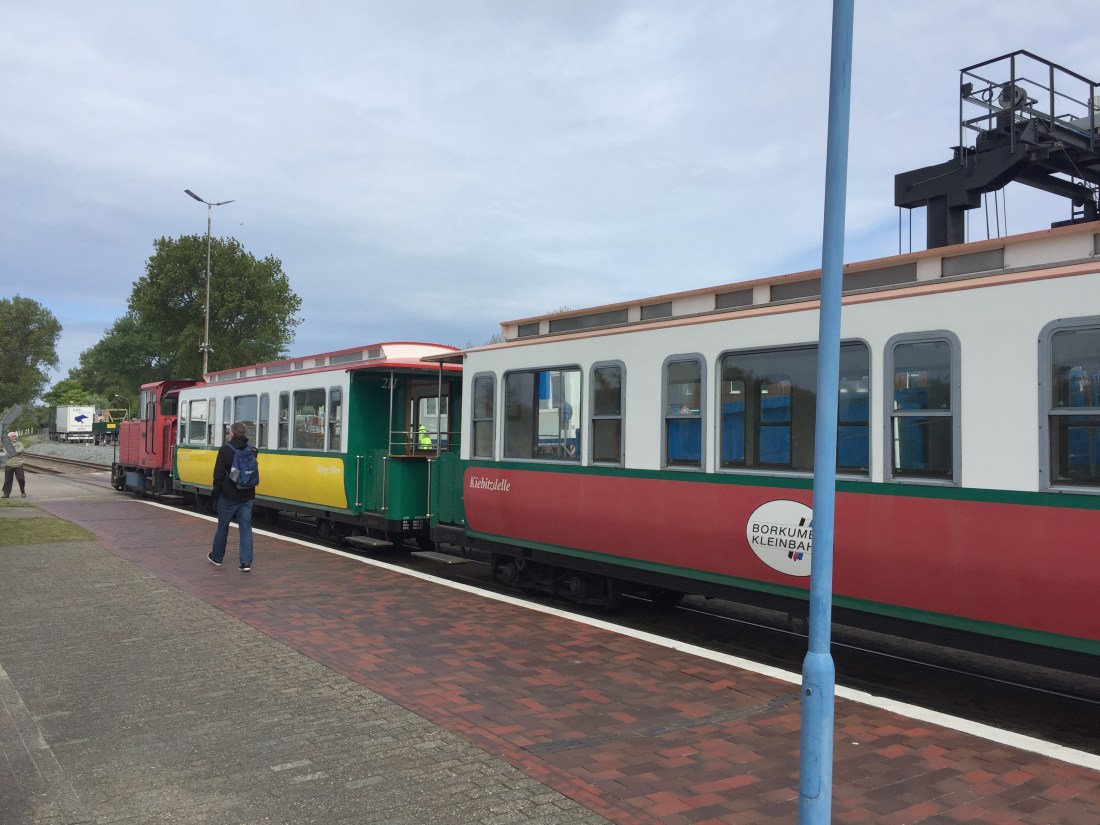
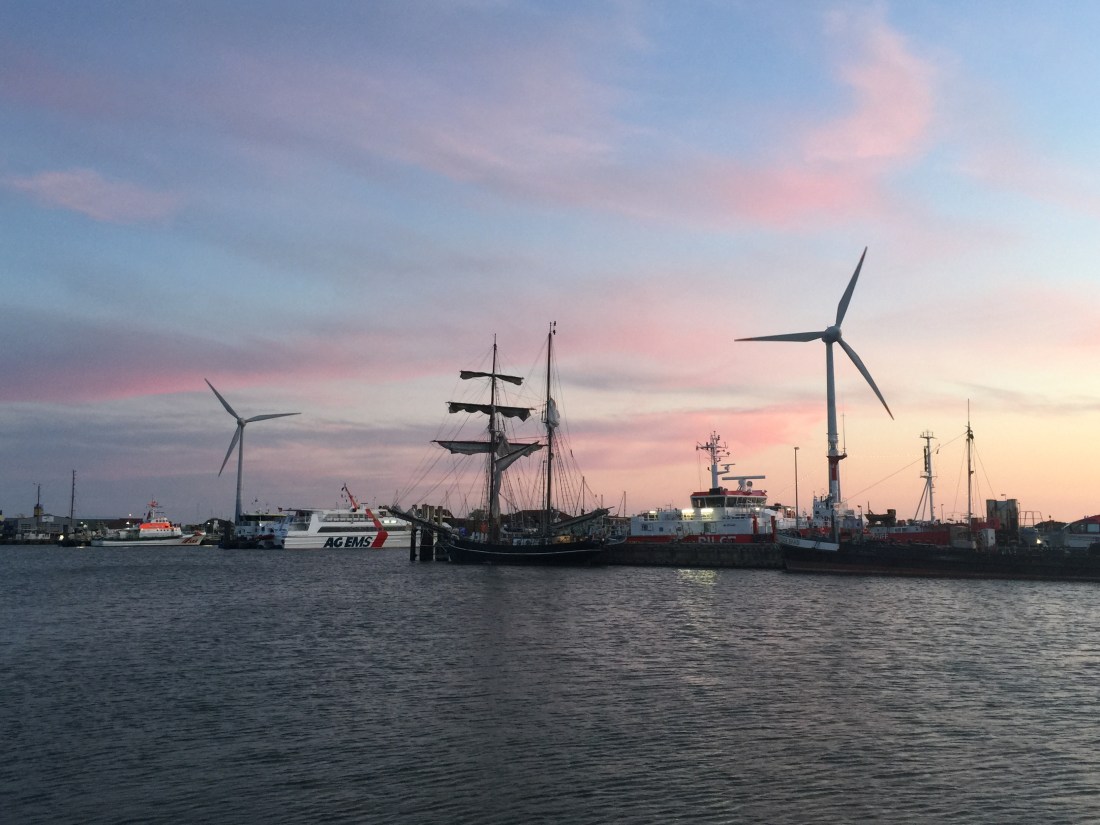
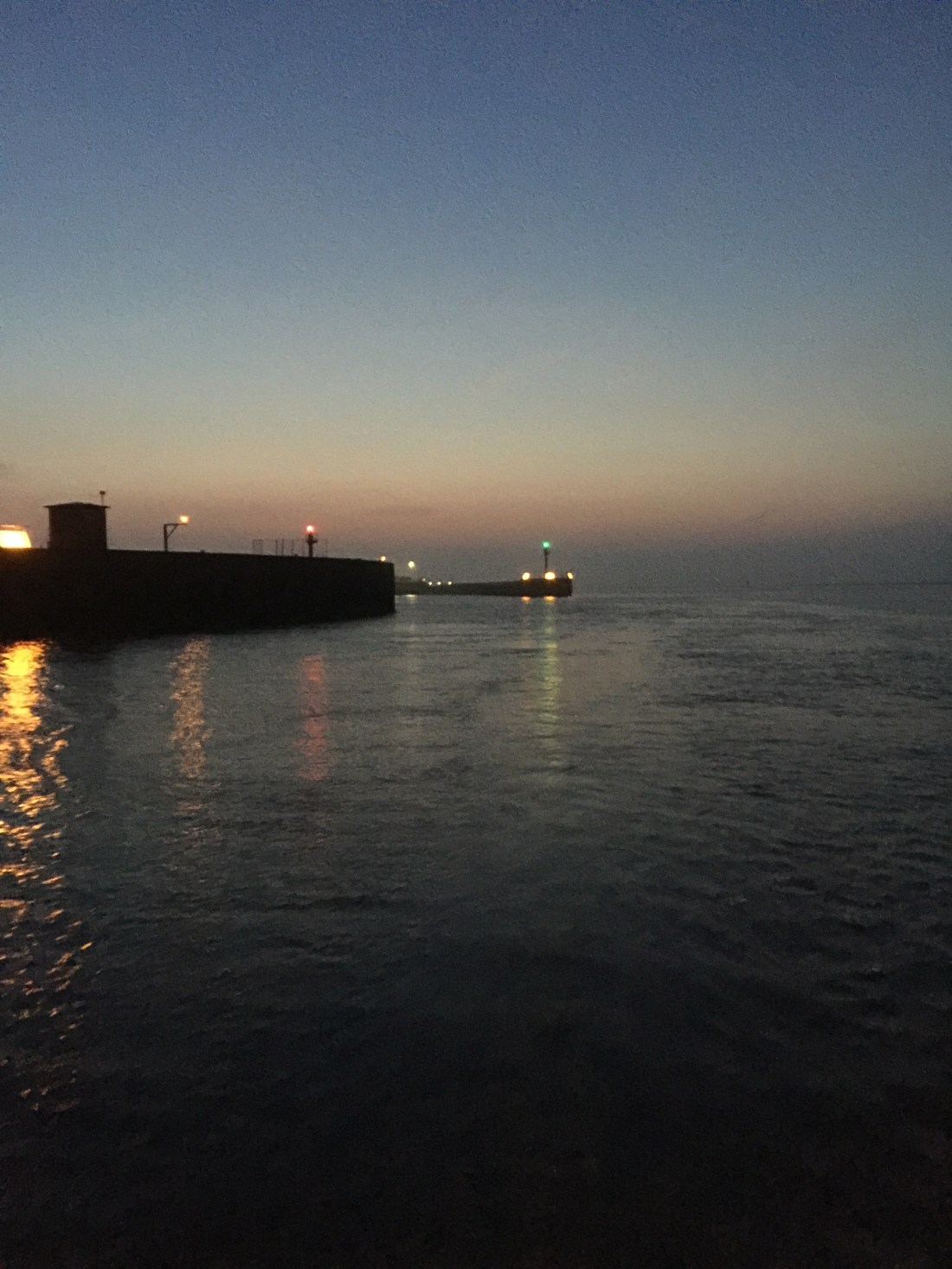
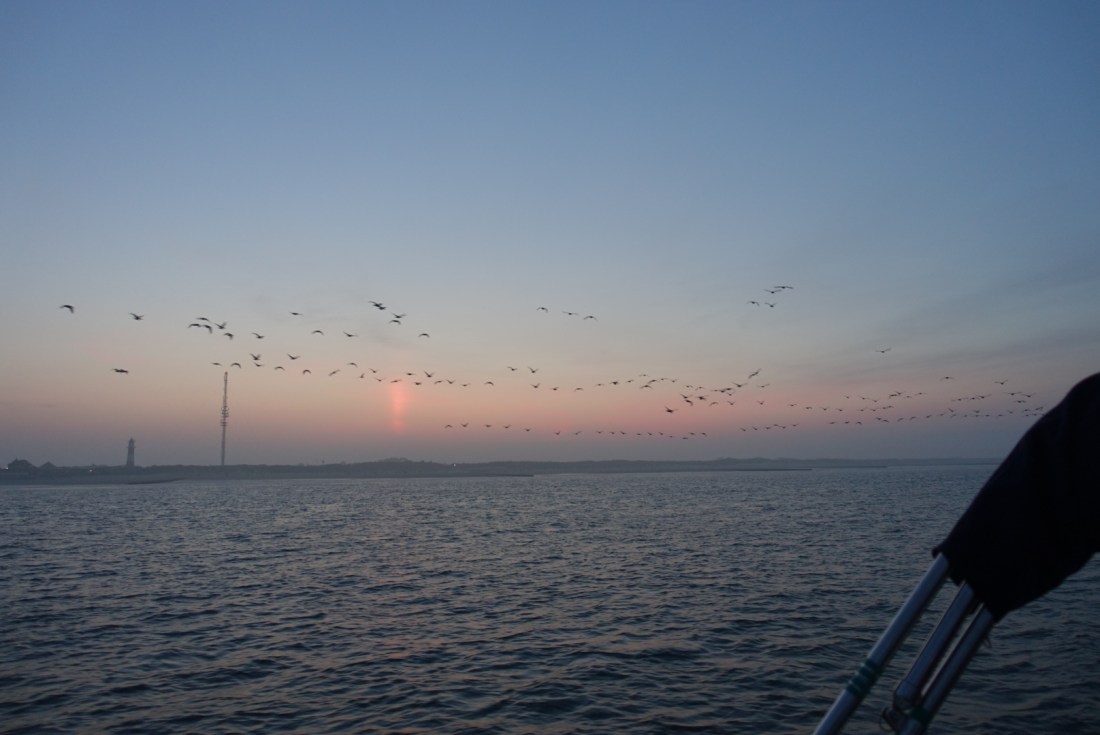
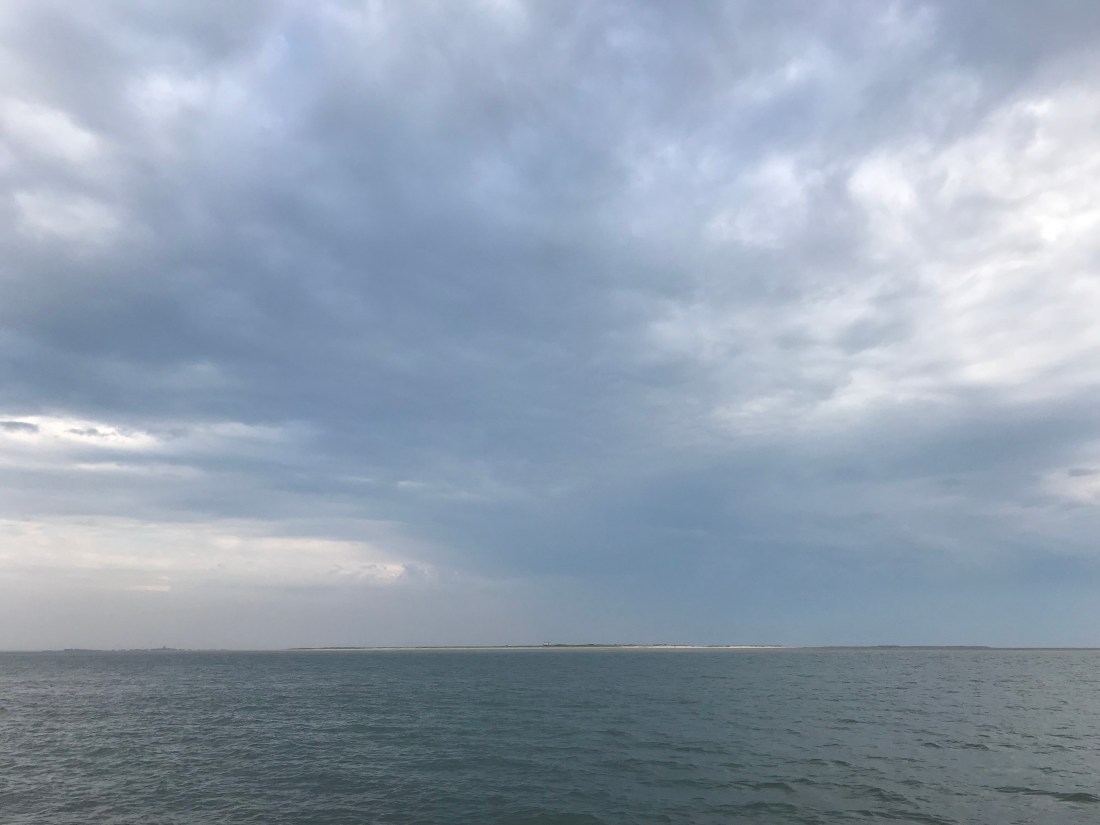
Next stop was the small island of Borkum. As this was our port of entry, and after the Dutch enthusiasm for border control we thought we should take the initiative and search out the customs office. When I asked the Harbour Mistress ( I guess that is correct, as opposed to a harbour master – but sorry if I offend) she just laughed and said we had not left Europe yet. Borkum is a German sea side resort and is a bit like an up market Brighton. Most of the island is like the Fens of East Anglia. Its main industry is now maintaining the many wind farms off shore. This is where the boys left us to make their way back to the UK.


In To The Fog
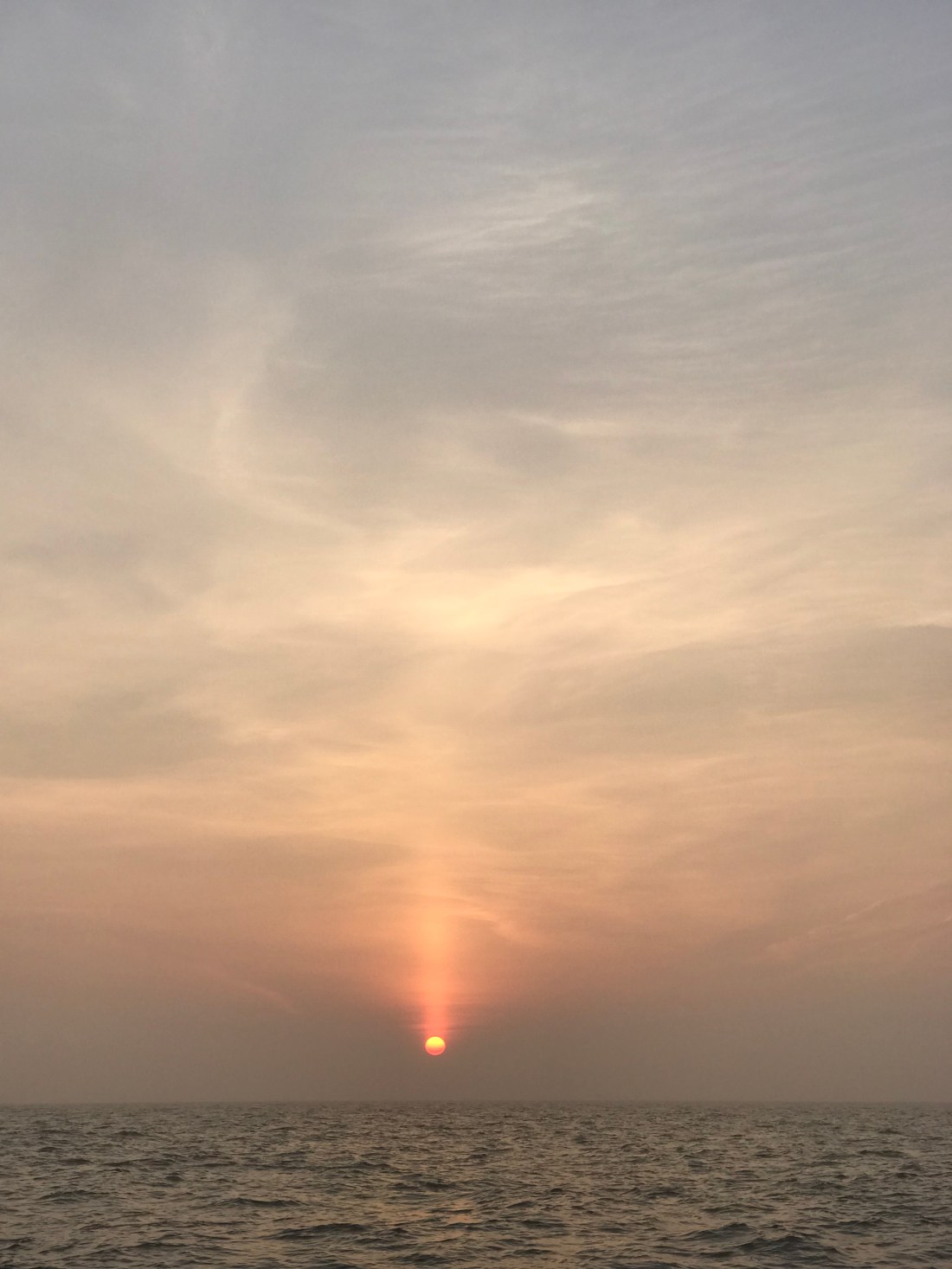
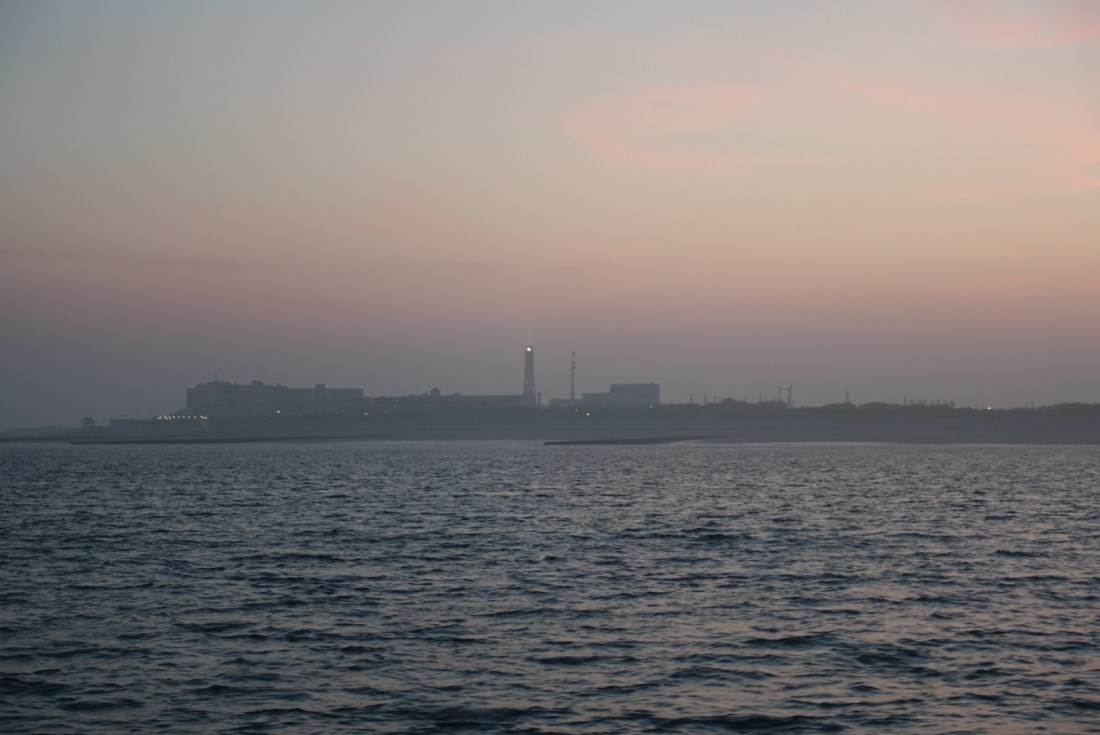
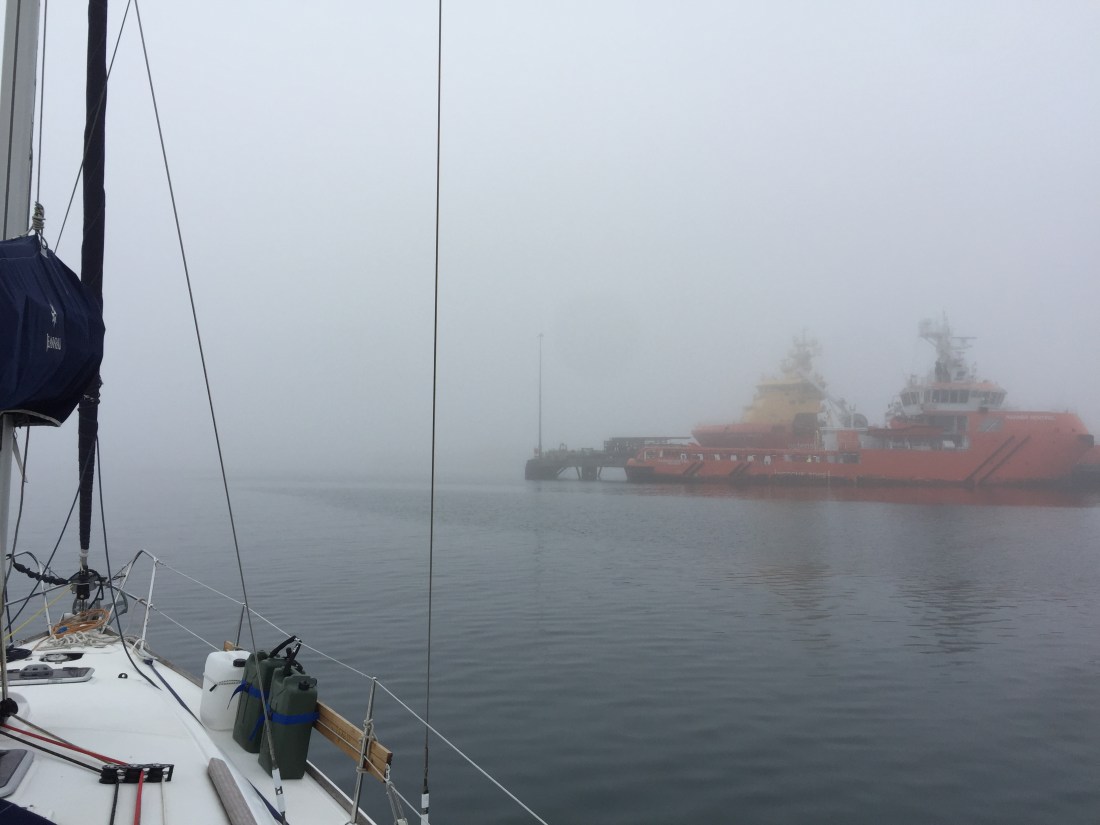
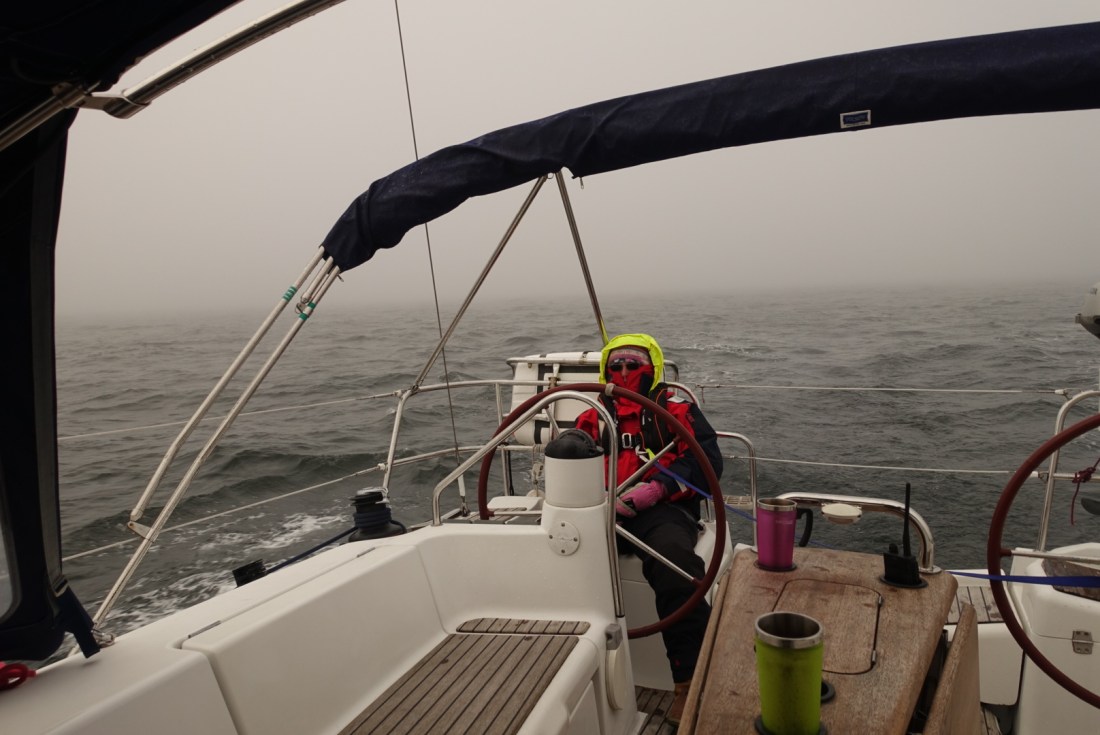
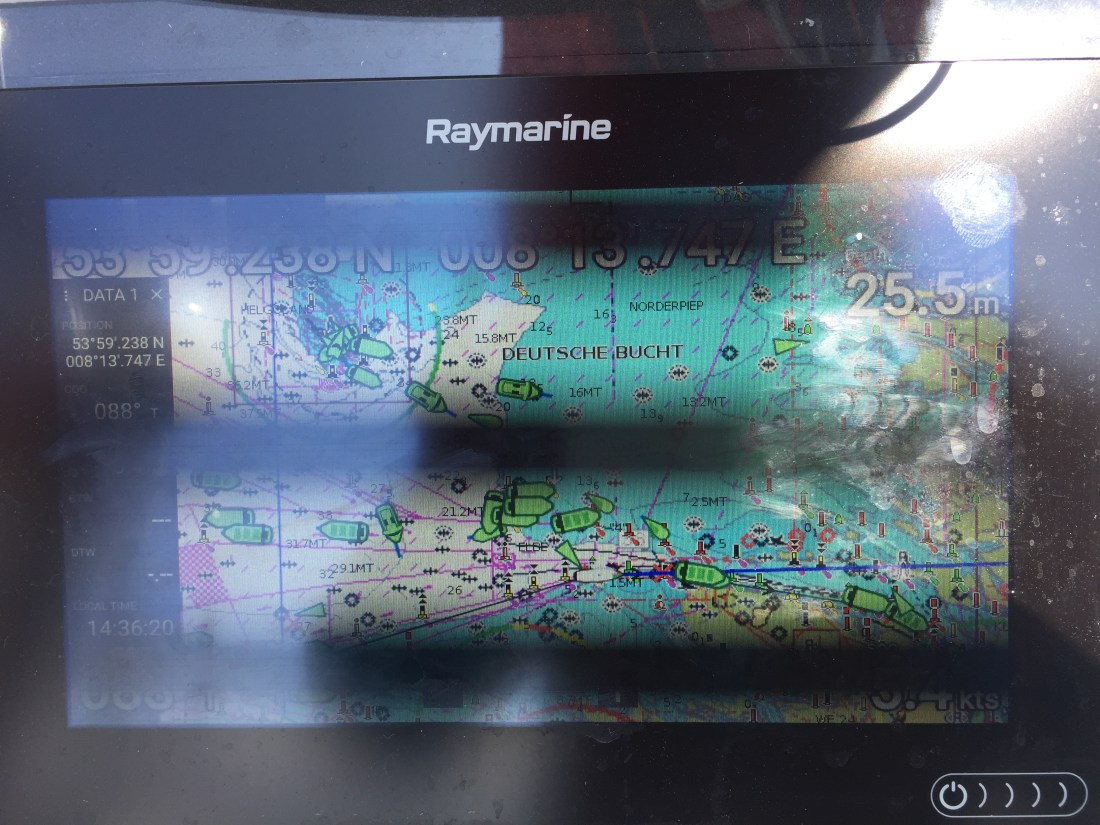
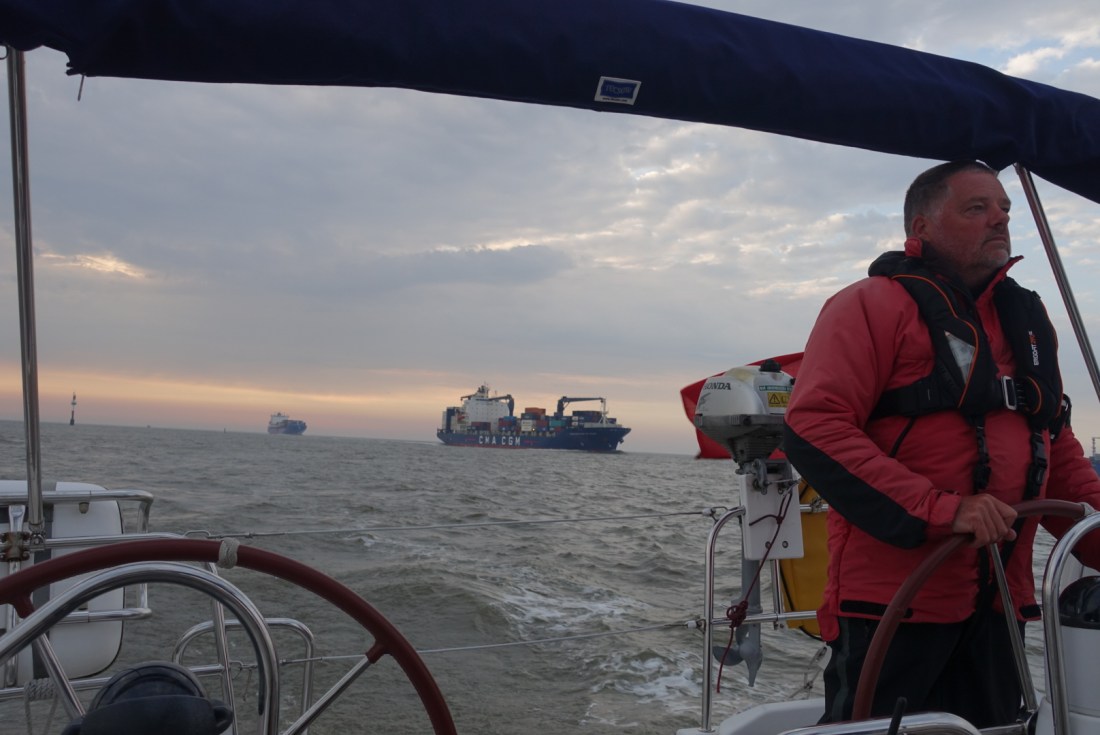
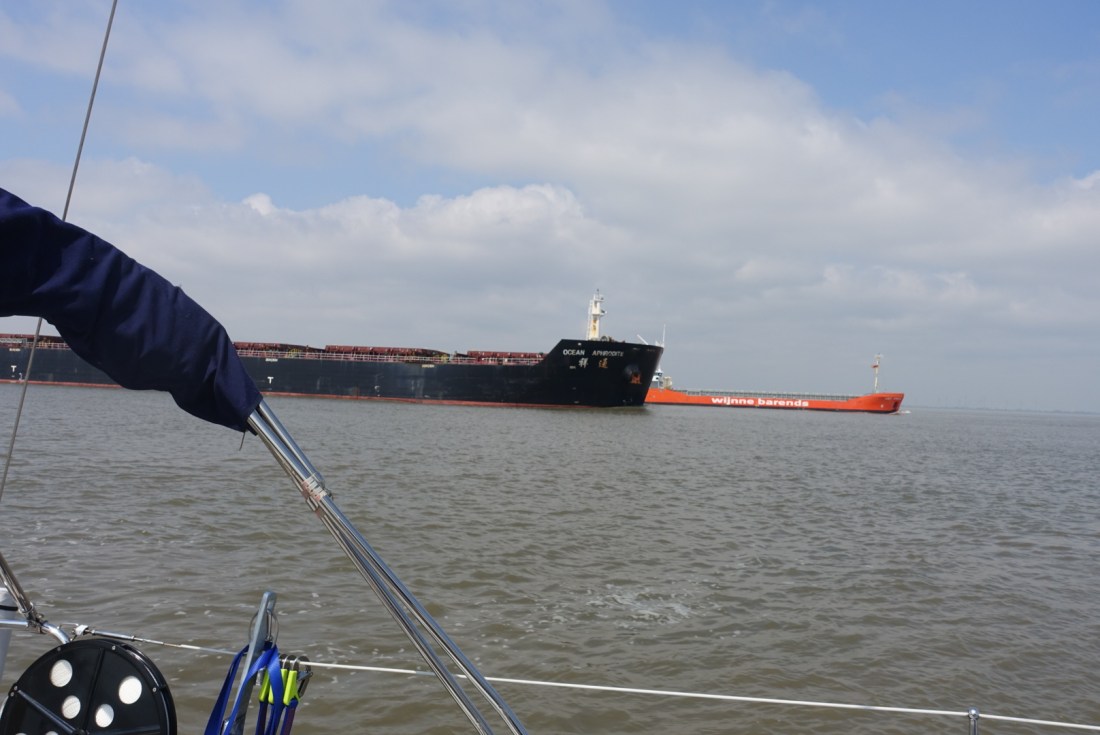
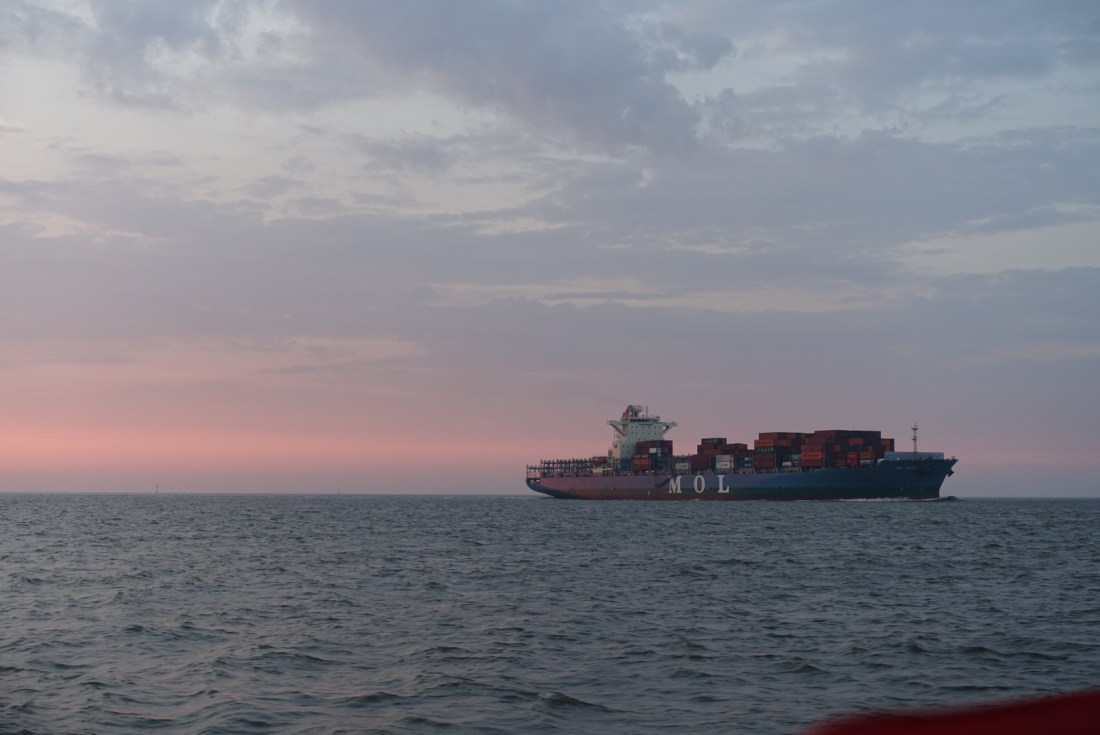
The day we left Borkum is definitely a day I don’t want to repeat. 16 hours of sailing and 8 of it in fog where you could not see the bow of the boat at points, crossing some of the busiest shipping lanes in Europe. All Jenny and I could do was use the Radar and AIS to pick our way up the coast. It would not have been as bad if the ships stuck to the shipping lanes, but I soon established that when it comes to picking up and dropping of pilot , they just go where they want. The entrance to the river Jade was a nightmare with 3 tanker heading at me , 2 pilot boats ignoring the radio, and something with a large fog horn sounding like it was 10 feet off the stern.
Cuxhaven and the Start of the Canal
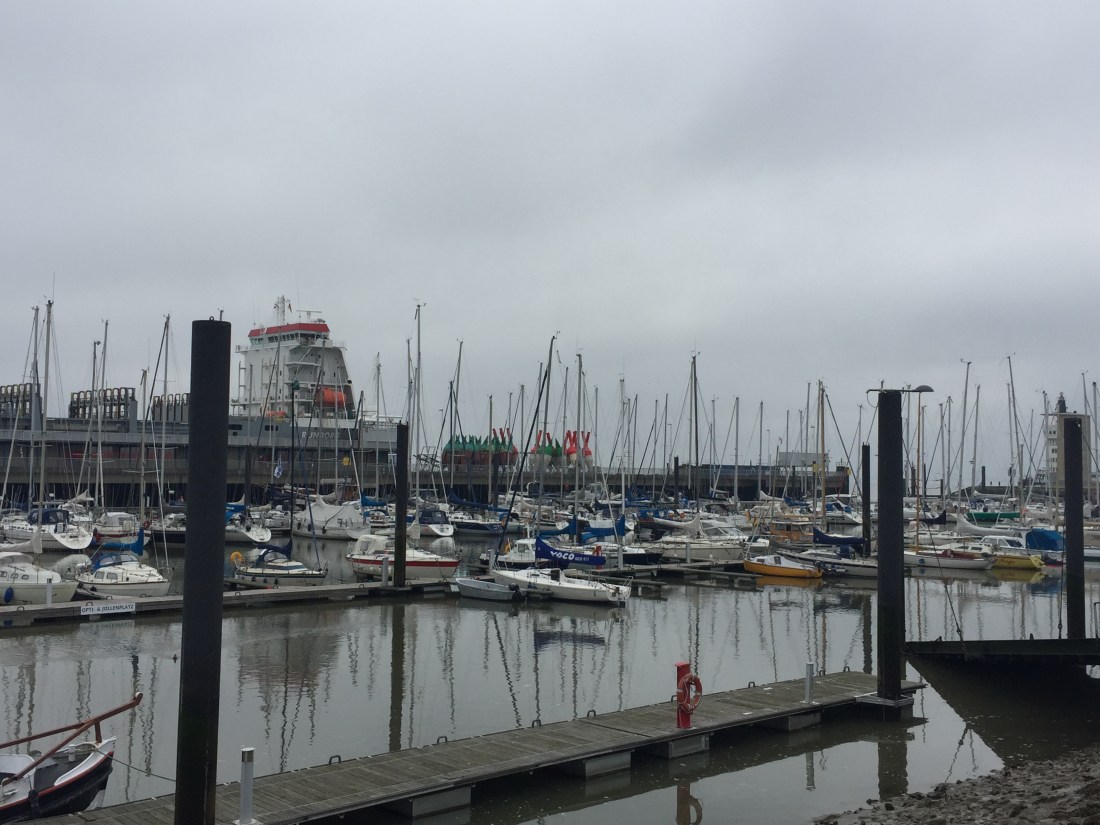
The next stop was Cuxhaven to refuel and get some bits and pieces before entering the canal. Another Greman seaside resort . Quite pretty but we did not get a chance to explore.

Danny – found these for you in Cuxhaven (what a lovey pair!)


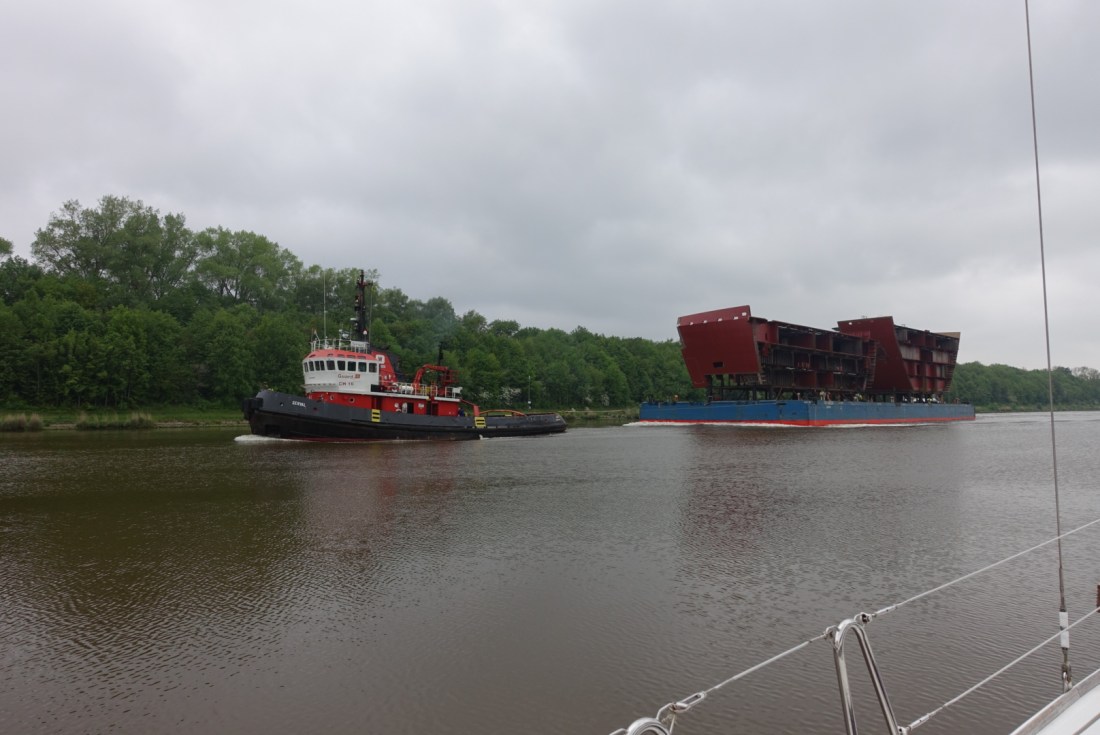
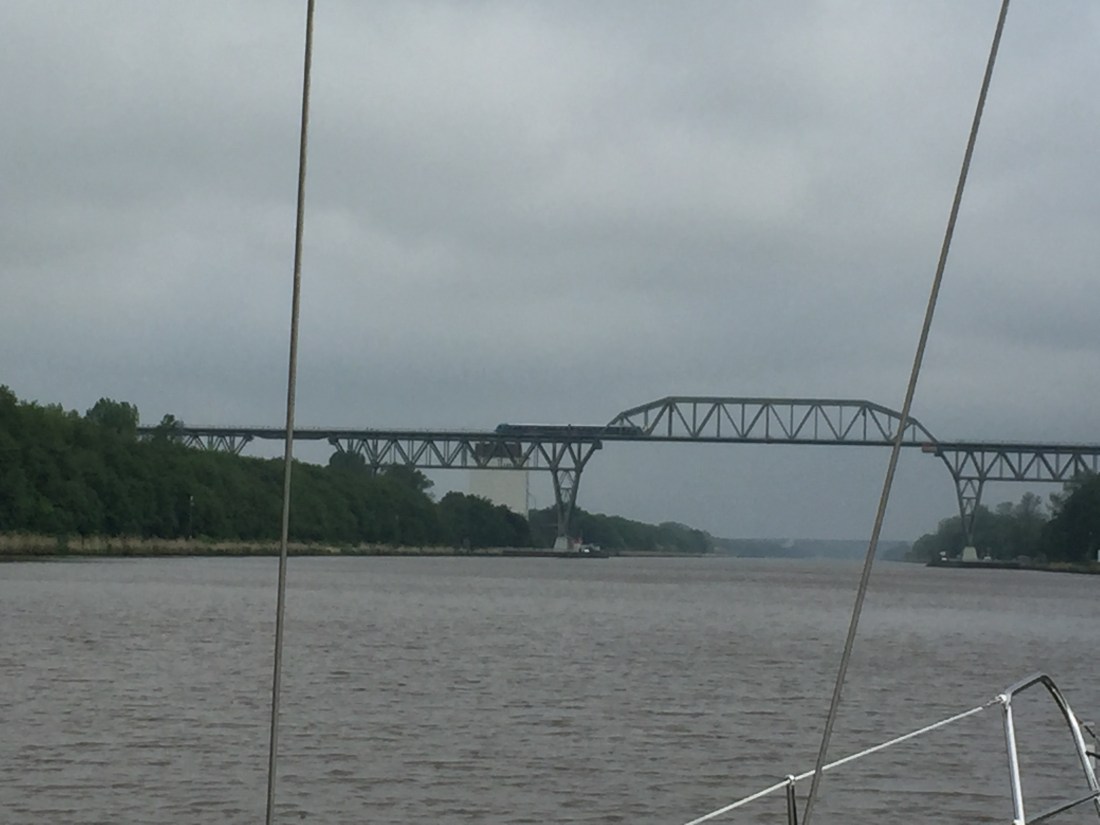
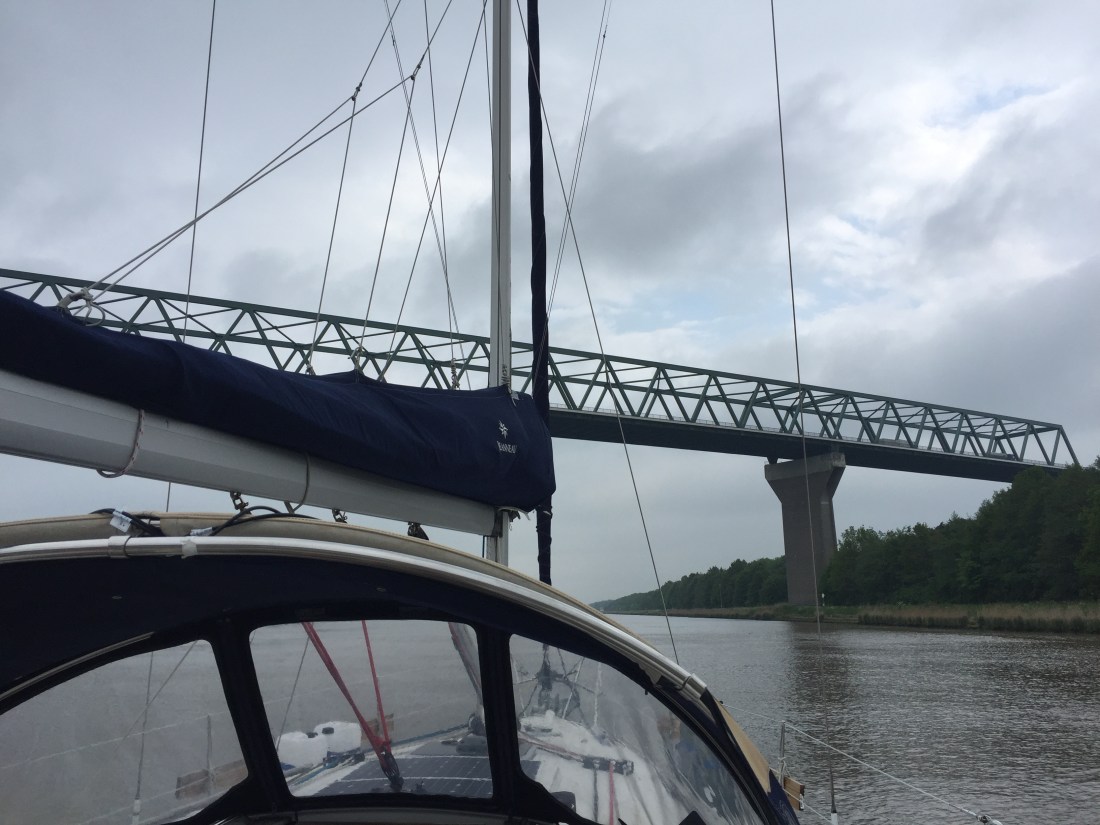
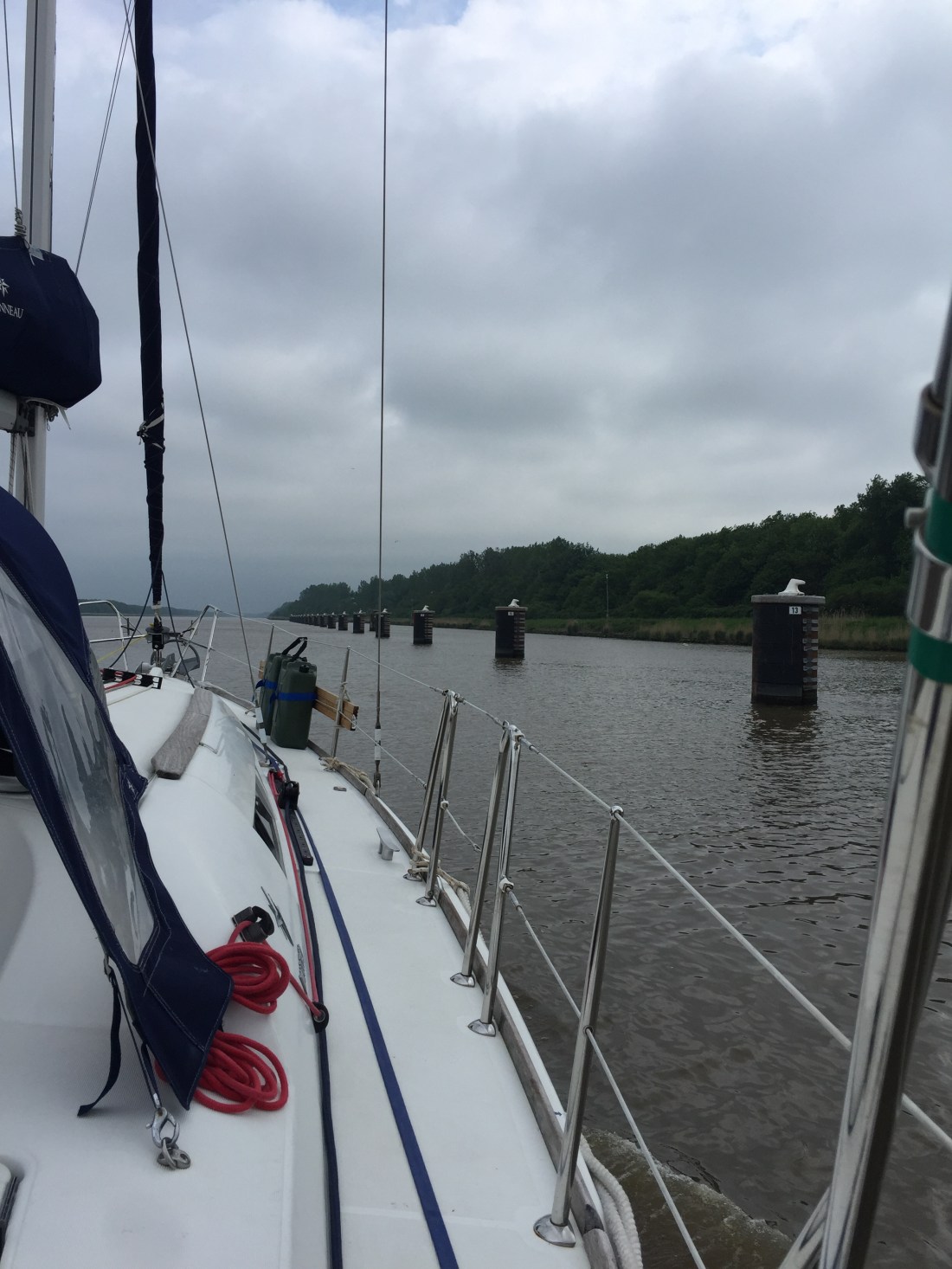
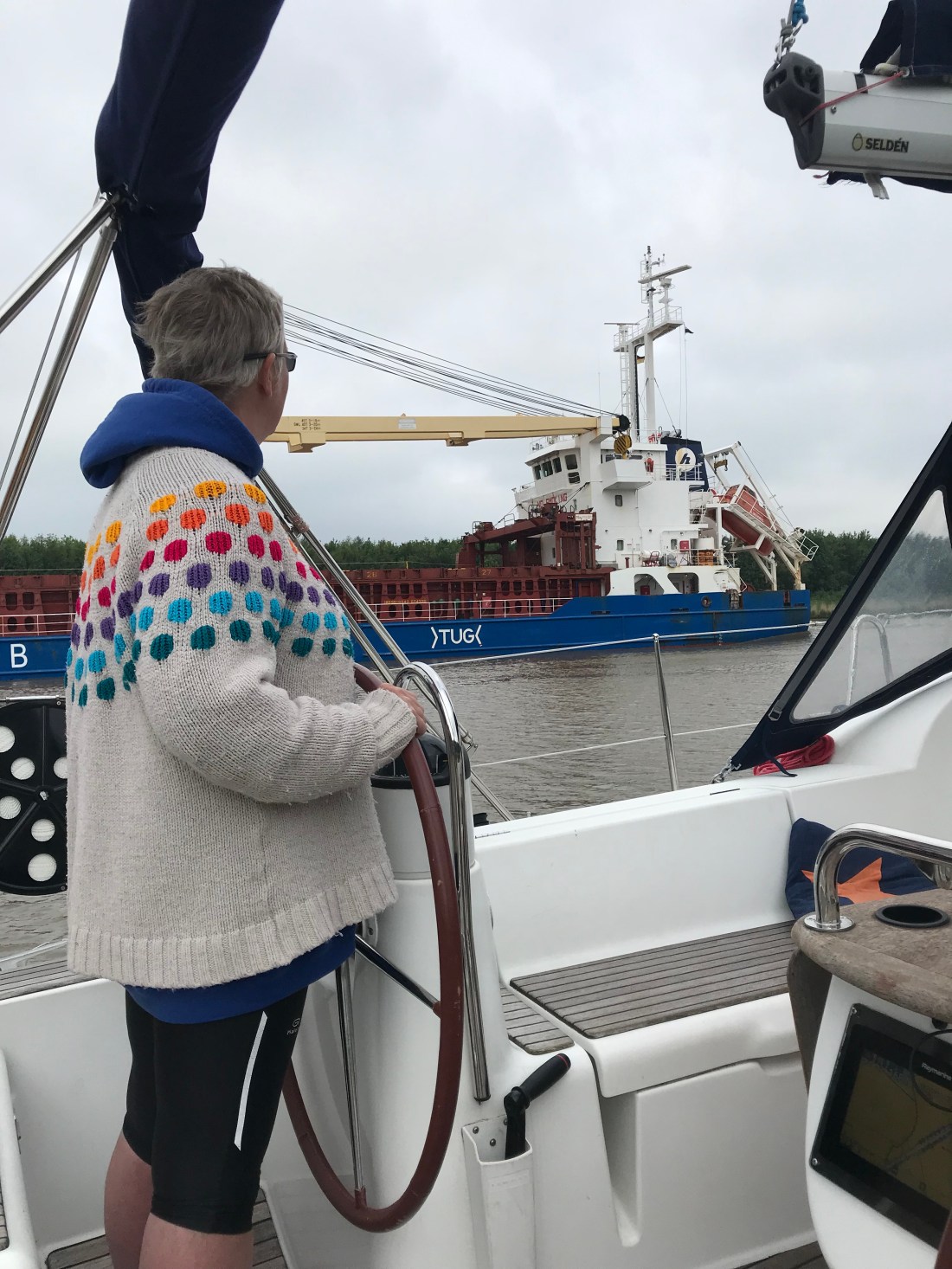
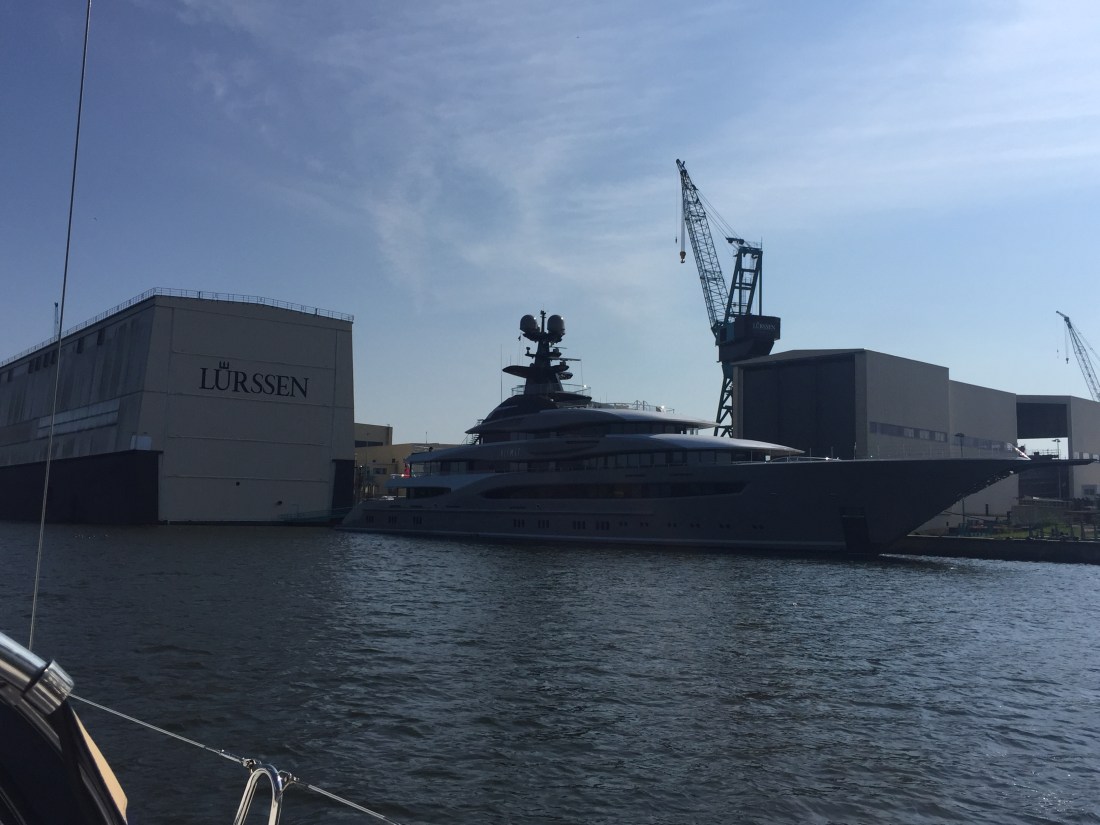
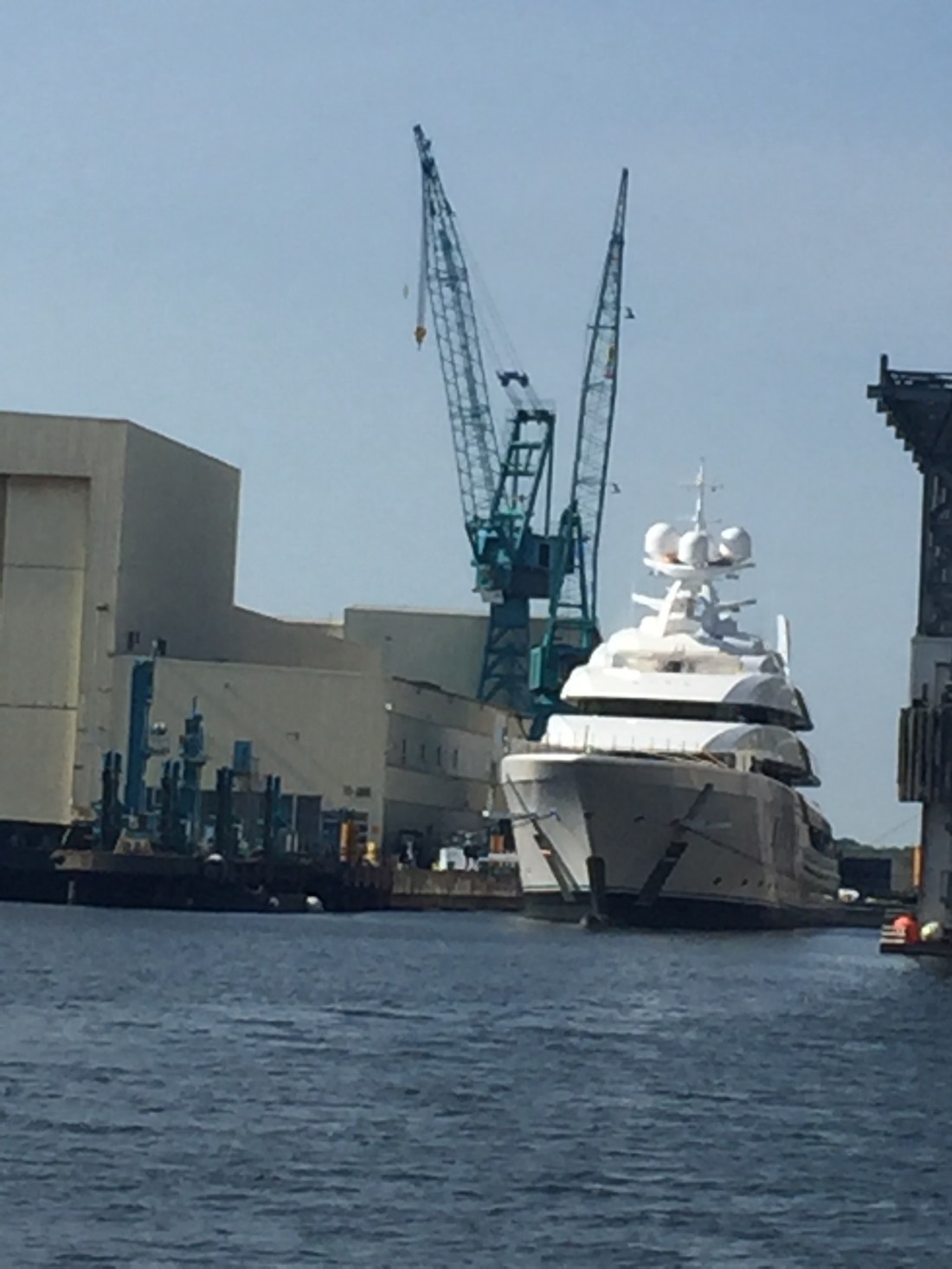
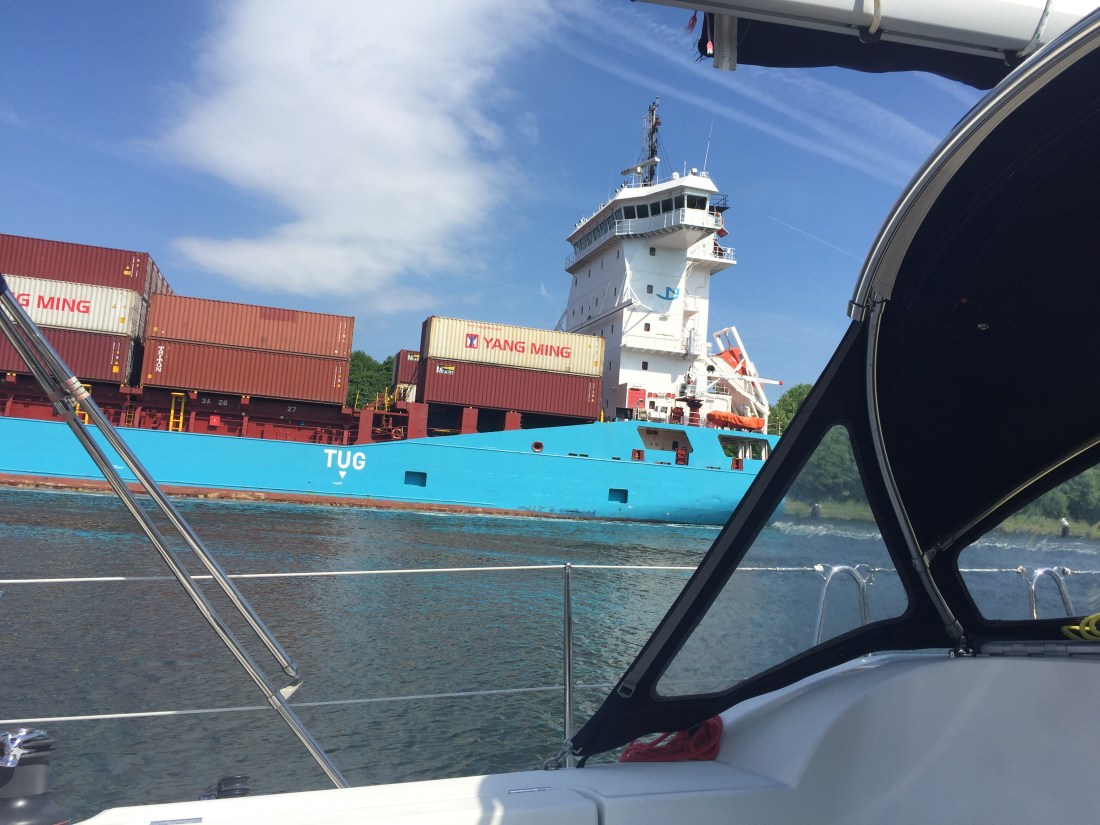
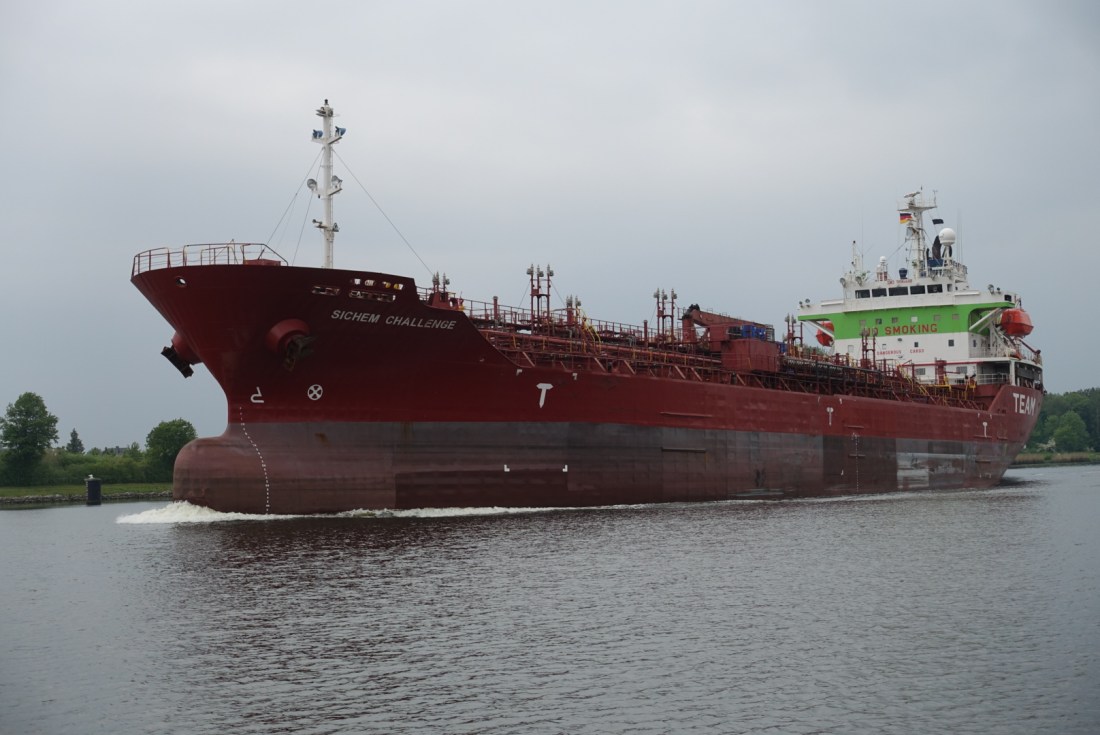
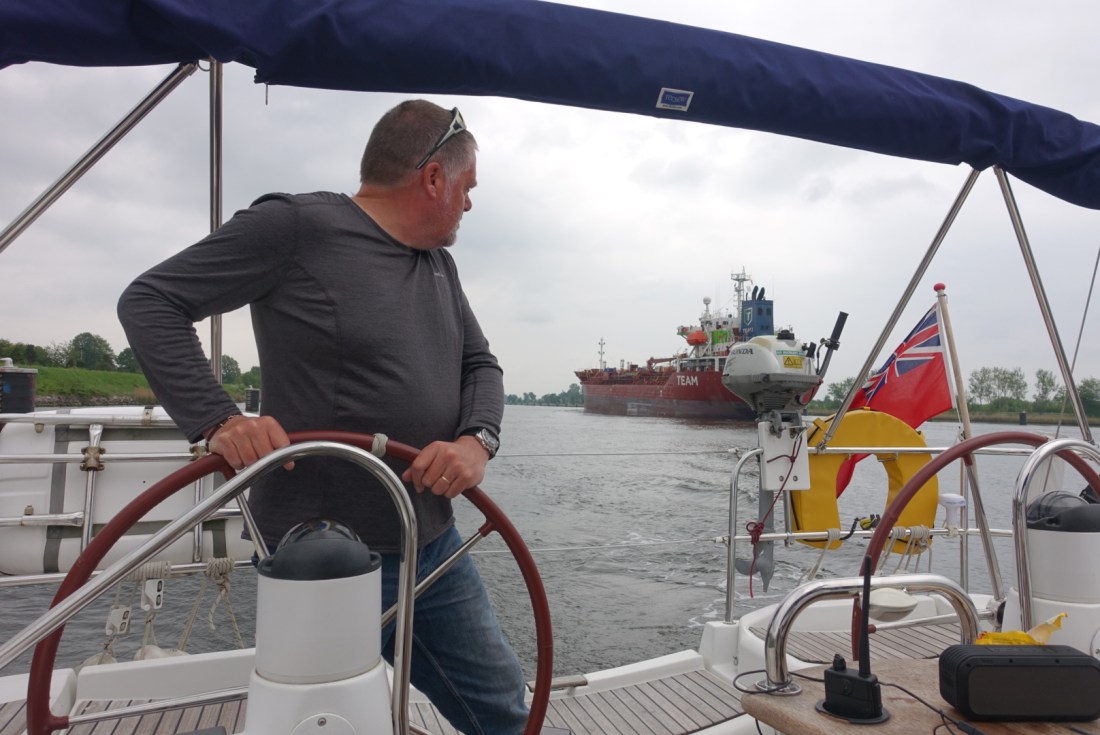
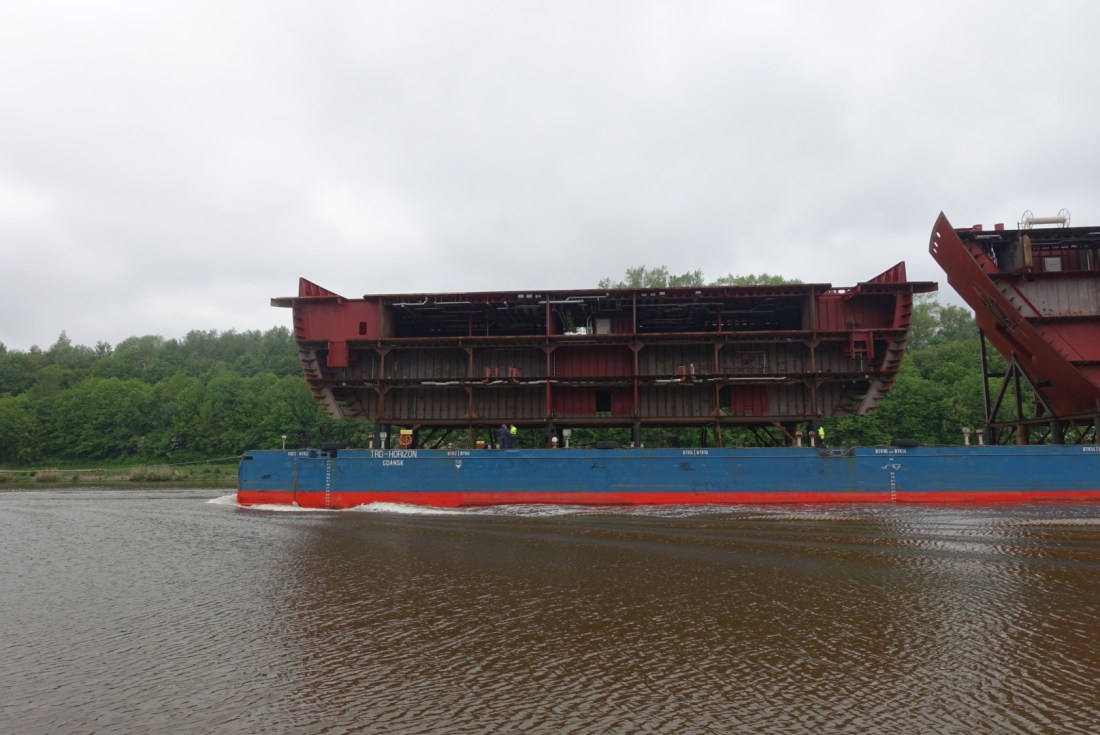
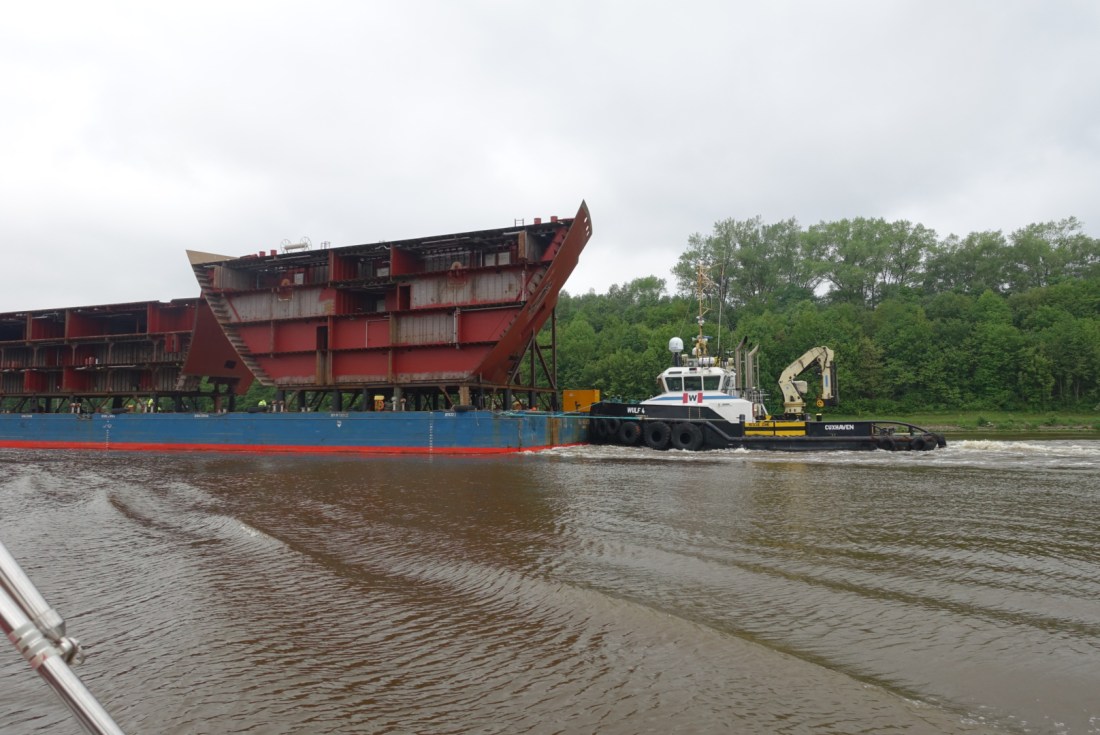
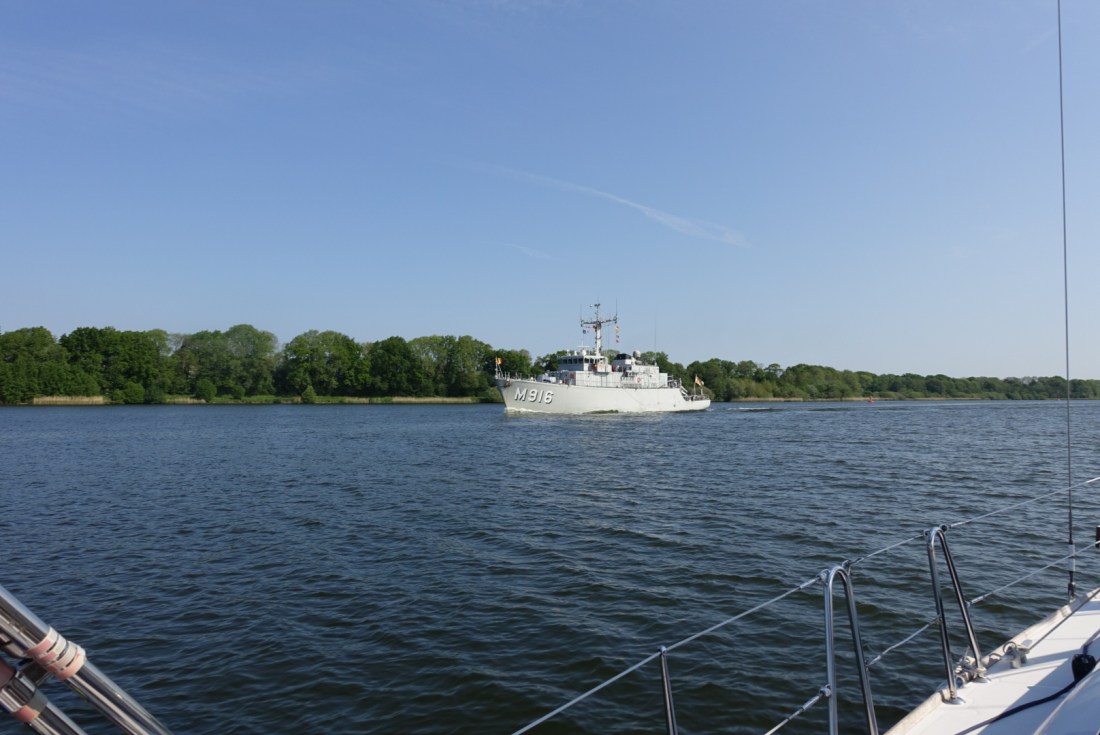
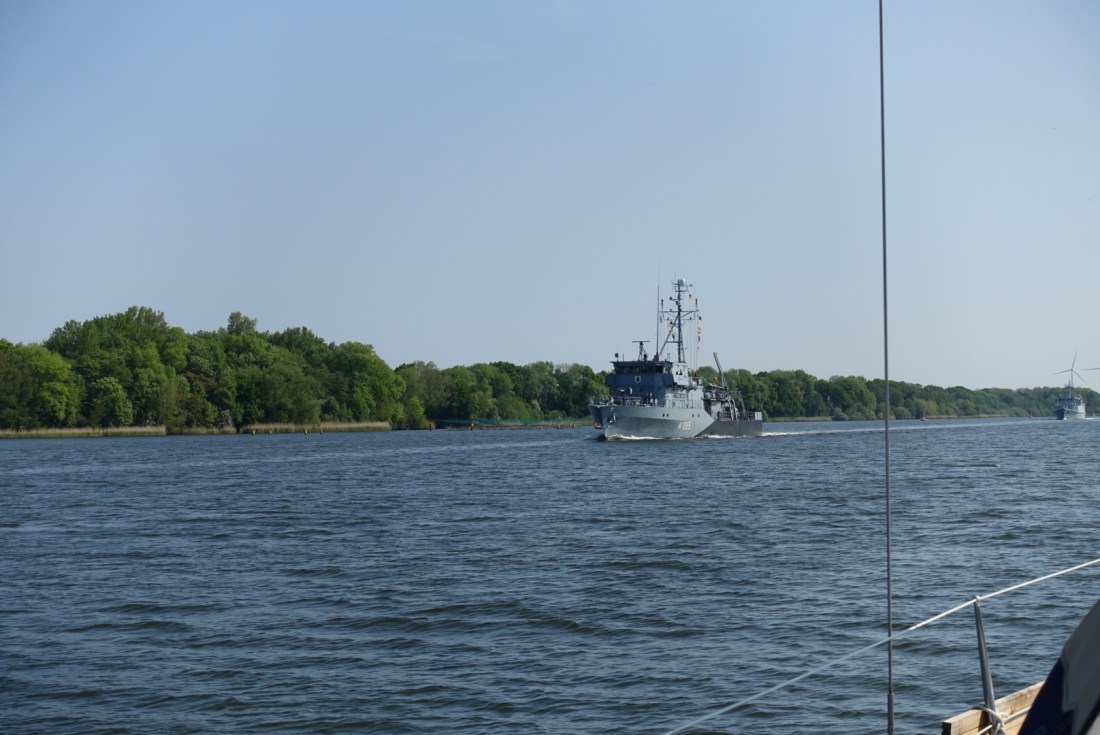
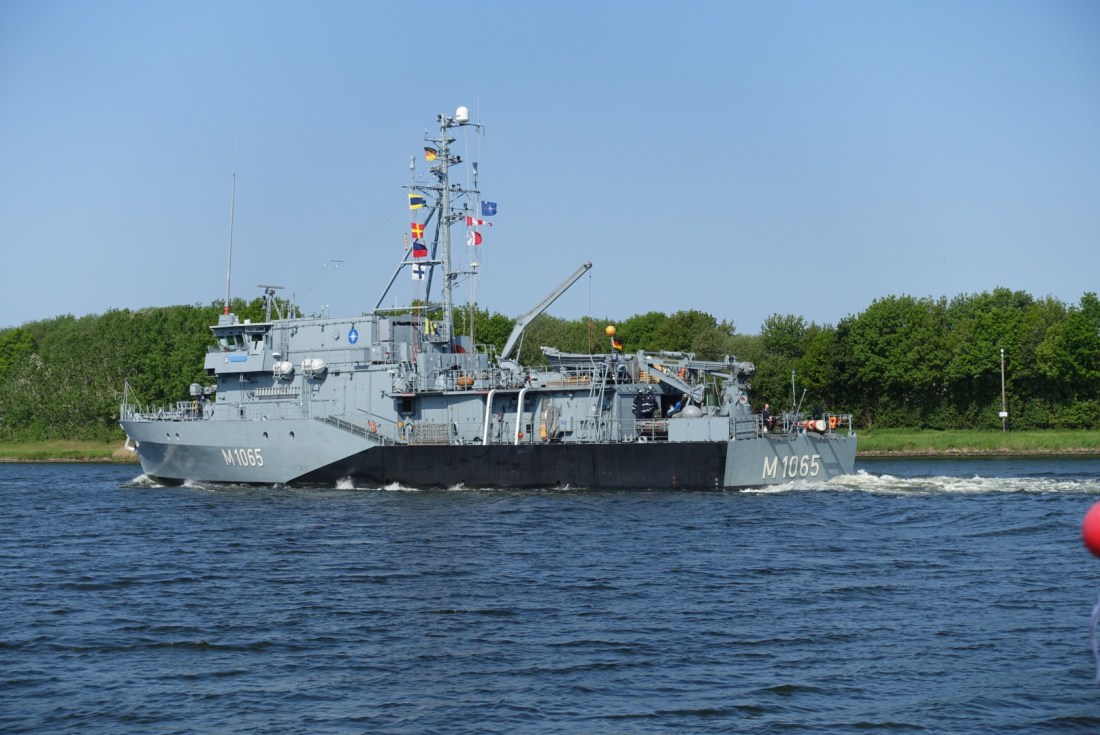
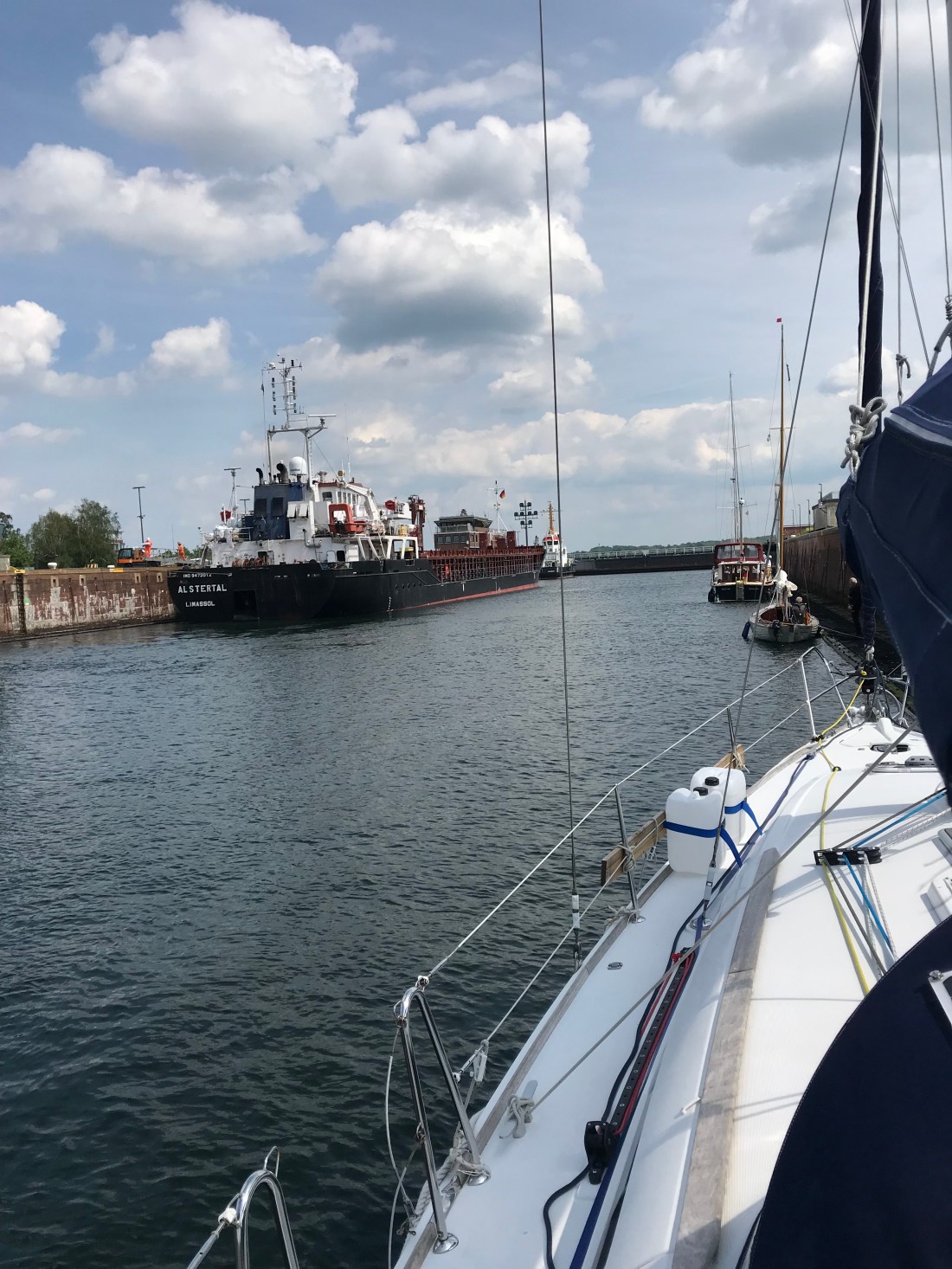
We were lucky entering the canal as you normally have to wait for a few hours as the Keil Canal (originally built by the Kizar to get his ships to the North Sea) is still very much a commercial shipping route. Pleasure craft can use it , but only when there is time to get you in. We were on the other side of the river when we saw the signal lights change so shot across and just made it in.
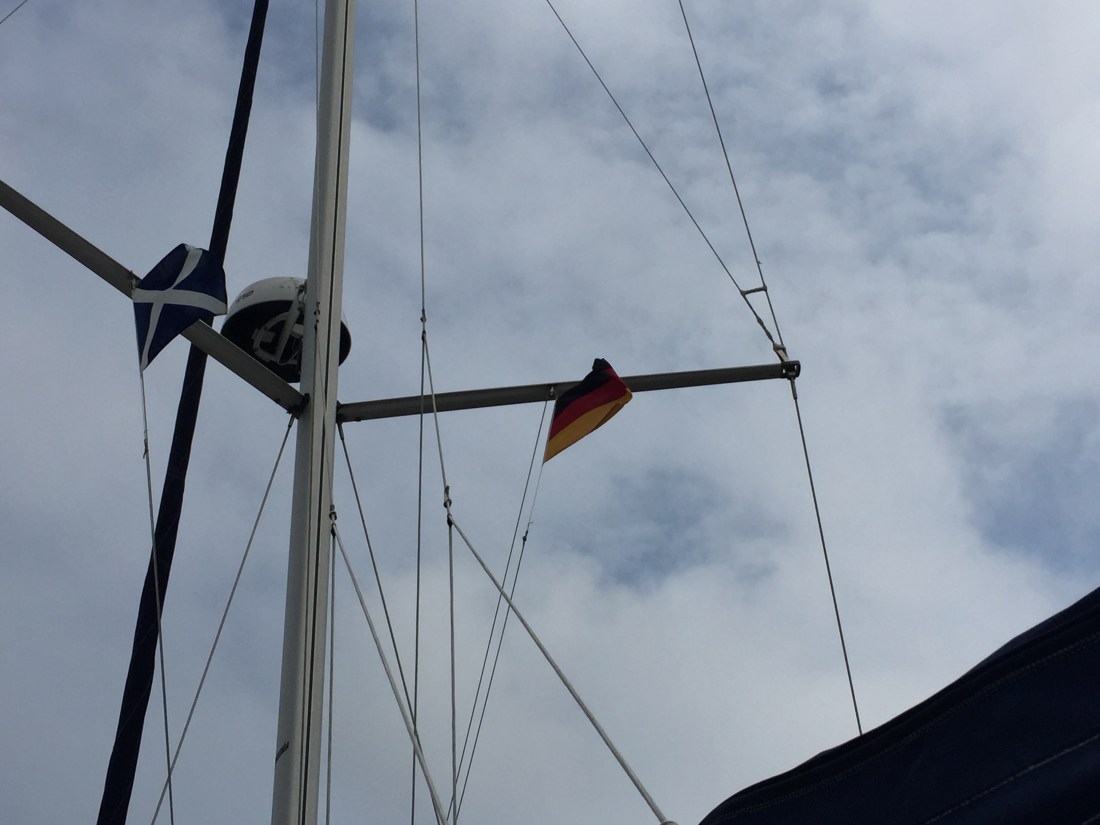
Once a teacher……..!
After putting up our Dutch courtesy flag on the port (left hand side) of the boat as it was the easier one to get to, I thought I ought to check if there was a rule as there’s usually a rule about most things in sailing! I wasn’t disappointed…..
Flag Etiquette: from the RYA website (I love some of the phrases they use!)
“Flag etiquette is a combination of law and maritime tradition. Being ill-informed of your obligations could lead you to cause insult at home or abroad by giving a signal you do not intend to give, or could lead you to a fine for breaking the law. Only with the right flag, correctly positioned, can you be sure that you are giving the correct message and that any signal you are giving is clear”.
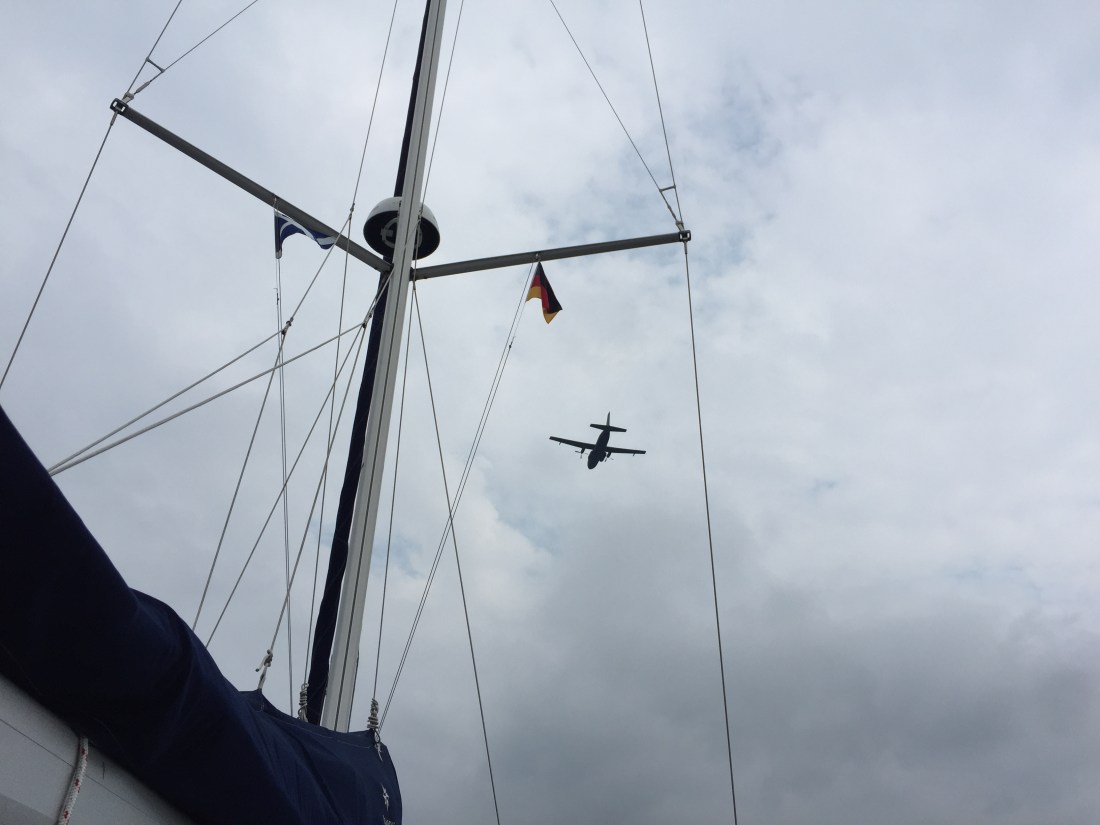
Basically, there are four places on the boat you can fly a flag, on the stern (back) of the boat, at the mast head (top of the mast) and at either side of the mast on the spreaders – (see photo above). I’ll come back to the two most “senior” positions next time and concentrate on the other two – the flags on the spreaders.
The starboard (right hand side) spreader is considered the more important and it is on this one that you should fly a courtesy flag and any signal flags that you may require:
“More than one flag may be flown on a halyard except that flag etiquette states that no flag can be worn above the courtesy flag.
There is no legal requirement to fly a courtesy flag: it is a courtesy that acknowledges that the vessel will respect the laws and sovereignty of that country. However, if one is not flown, or is tatty or faded, it may cause grave offences and in some countries lead to a fine.
The port spreaders are used for house flags. (flags that denote membership of a club or society). More than one house flag may be flown on the port halyard but with caution as too many might appear vulgar to some”
So, now you know, and the German flag has gone up to the very top of the starboard halyard in case we cause offence.
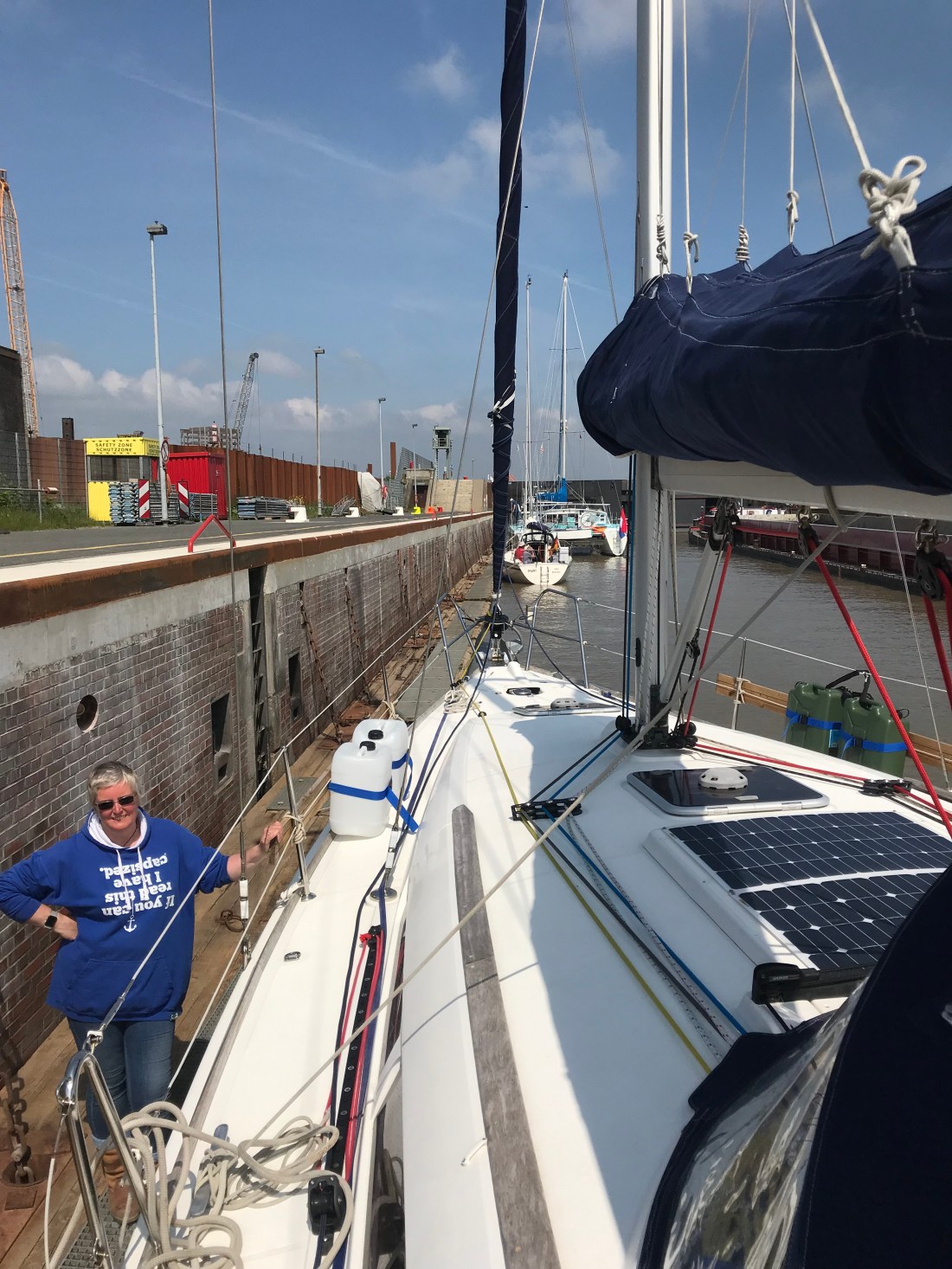
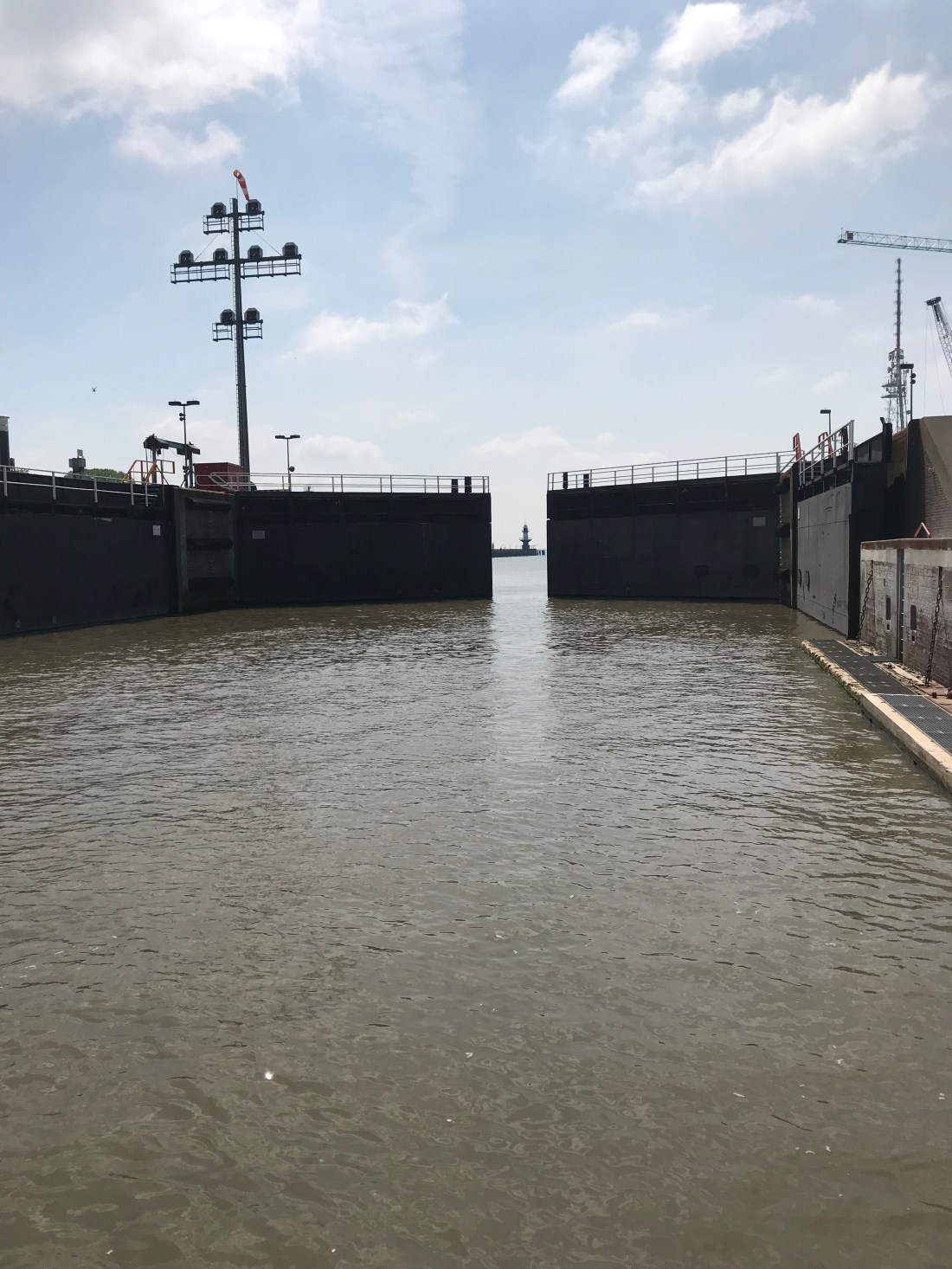
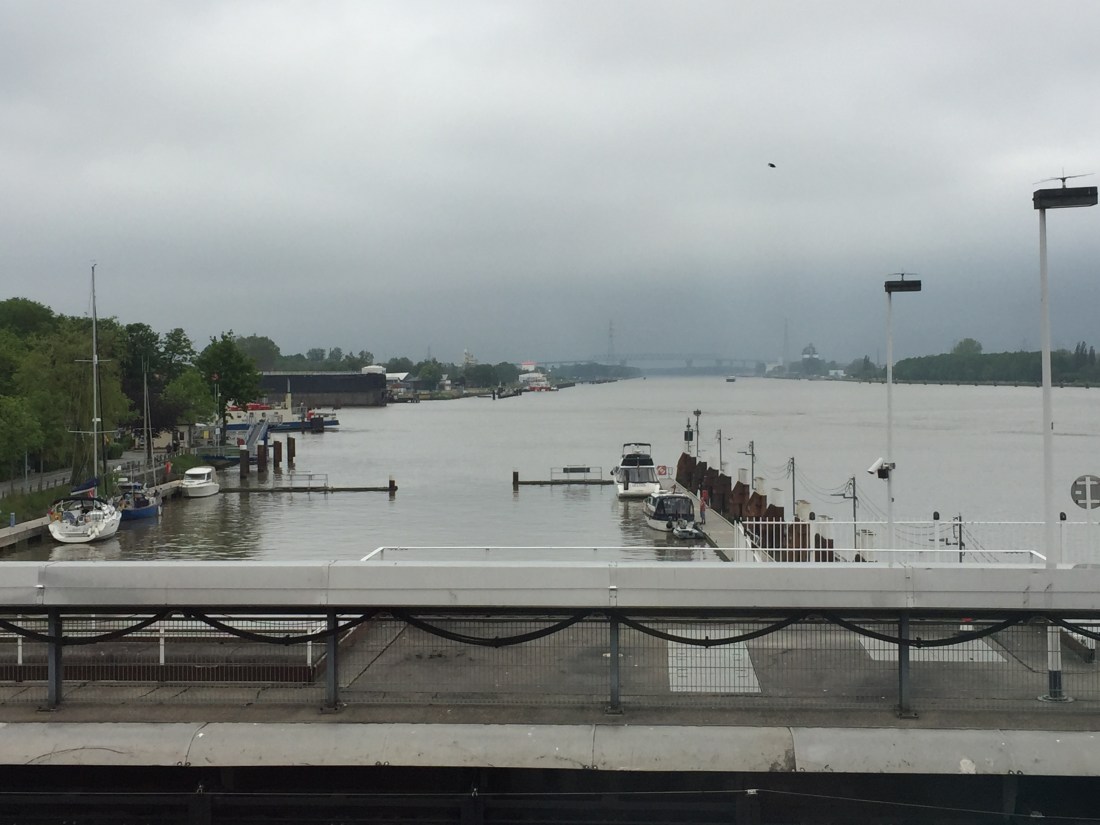
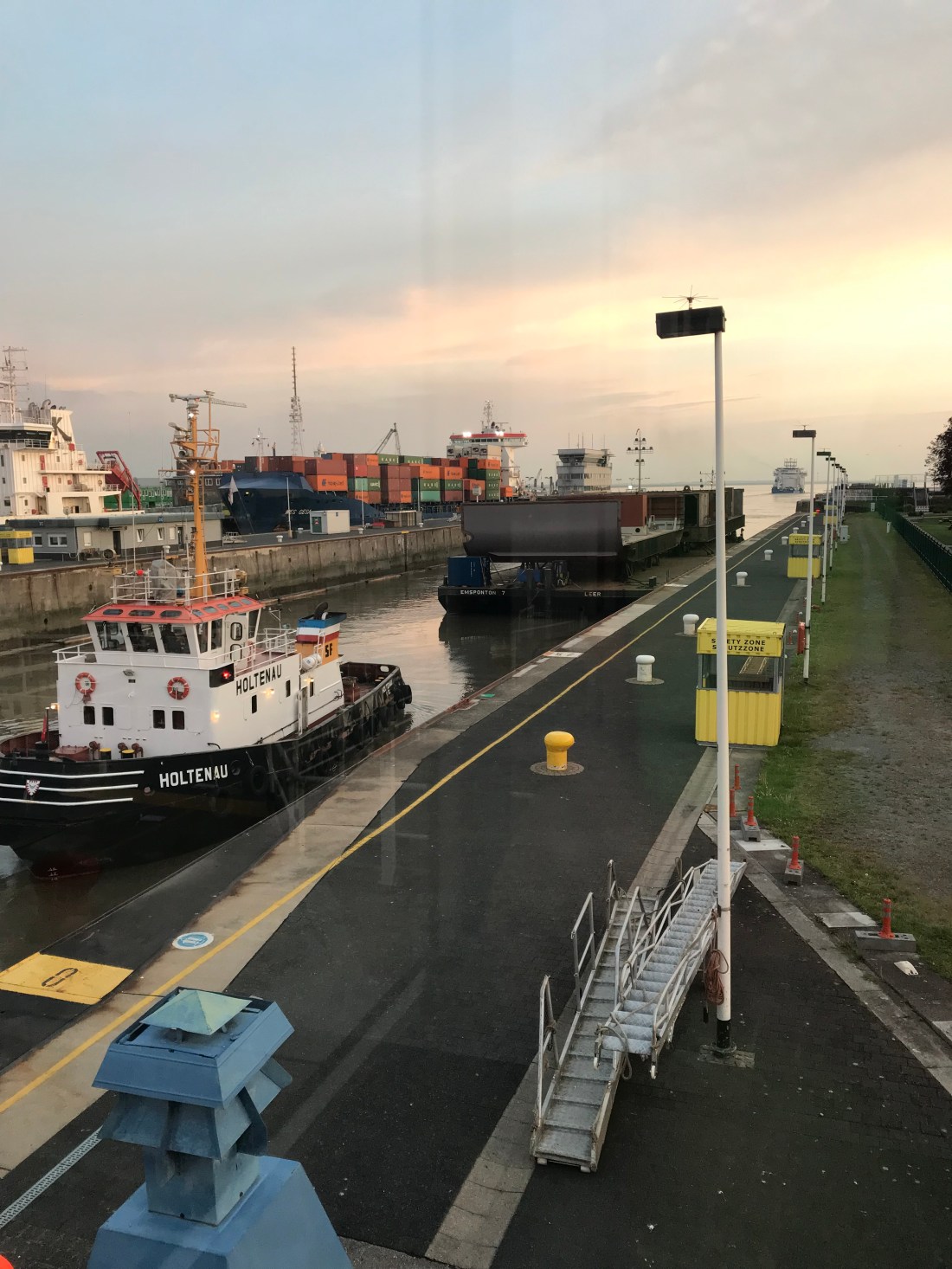
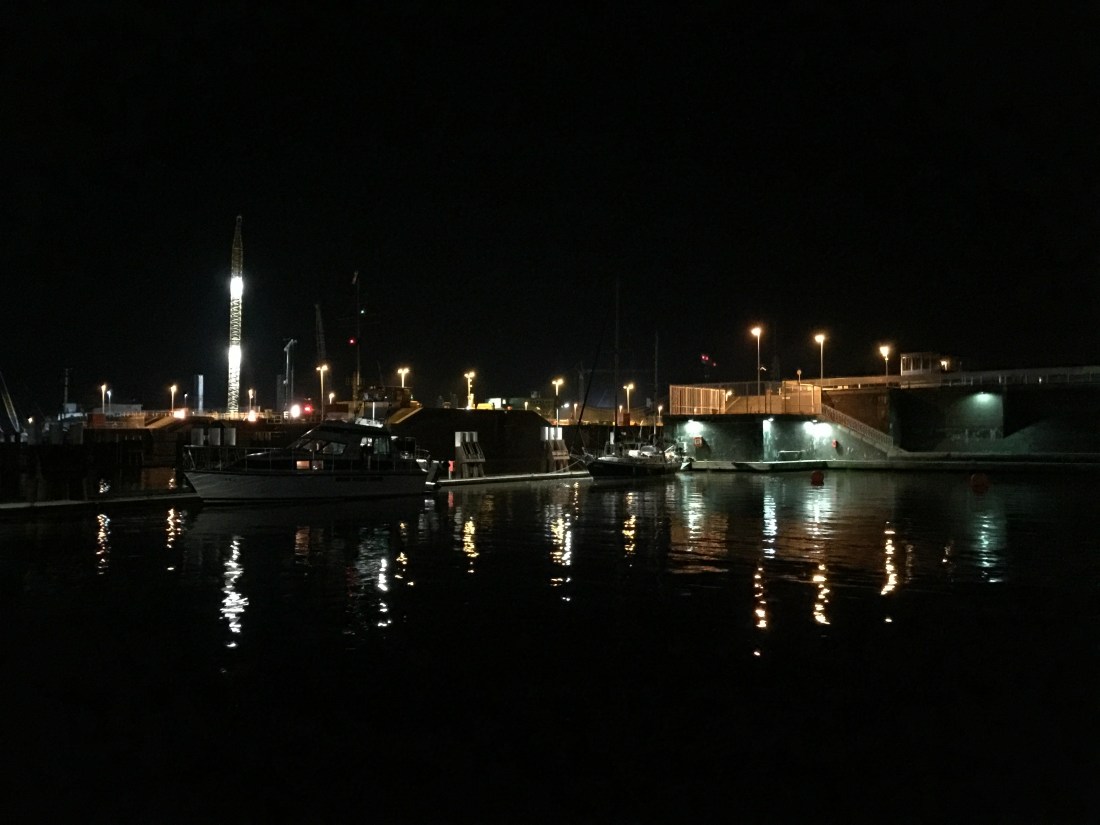
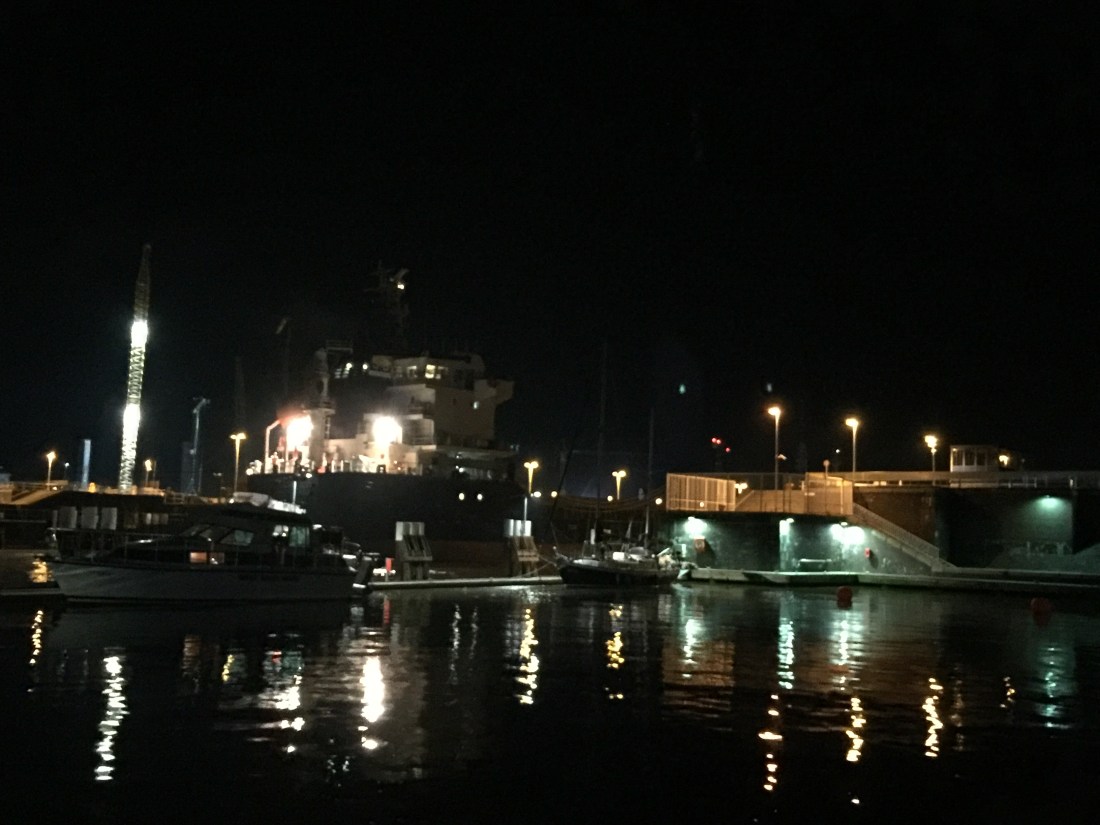
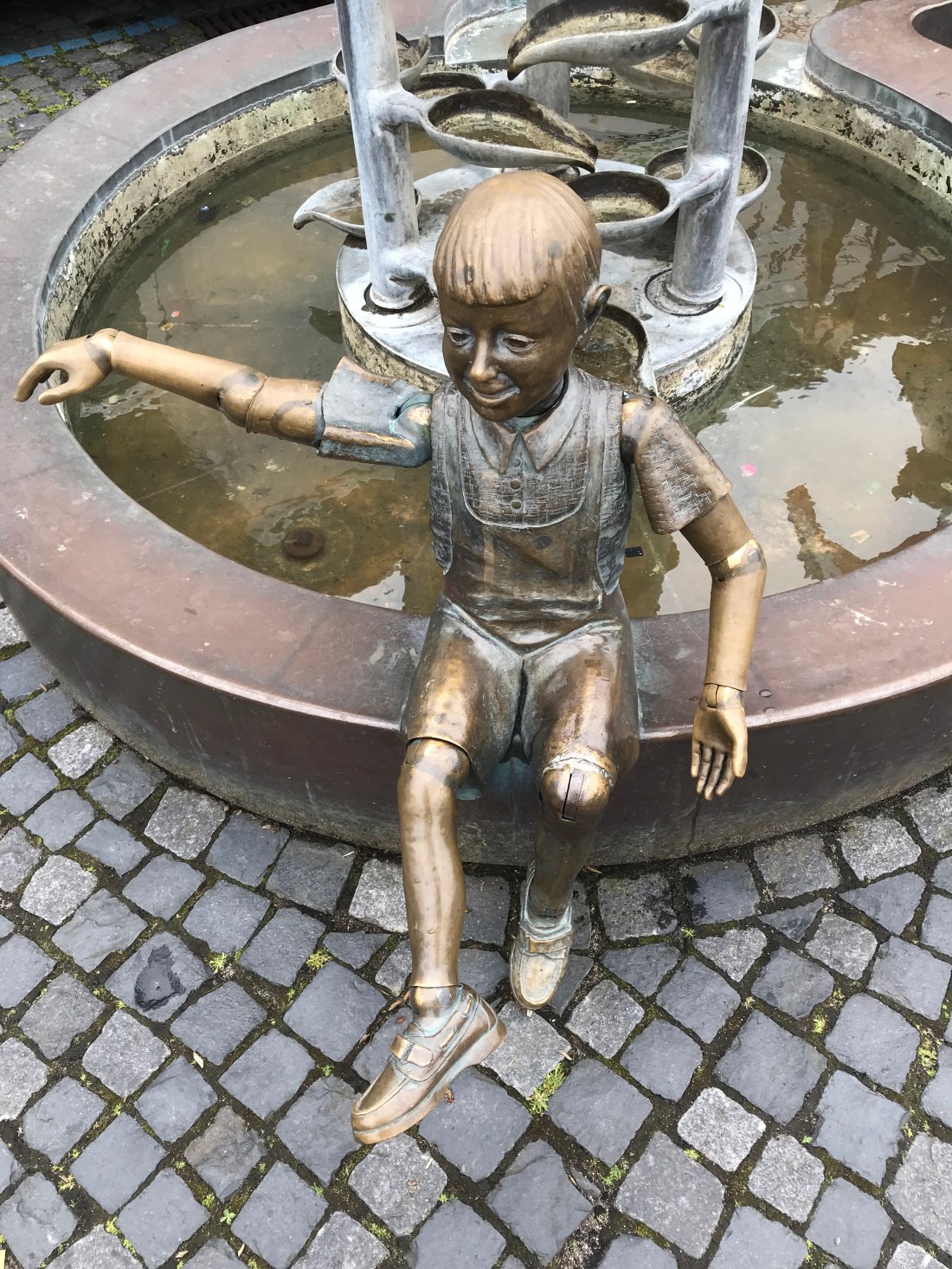
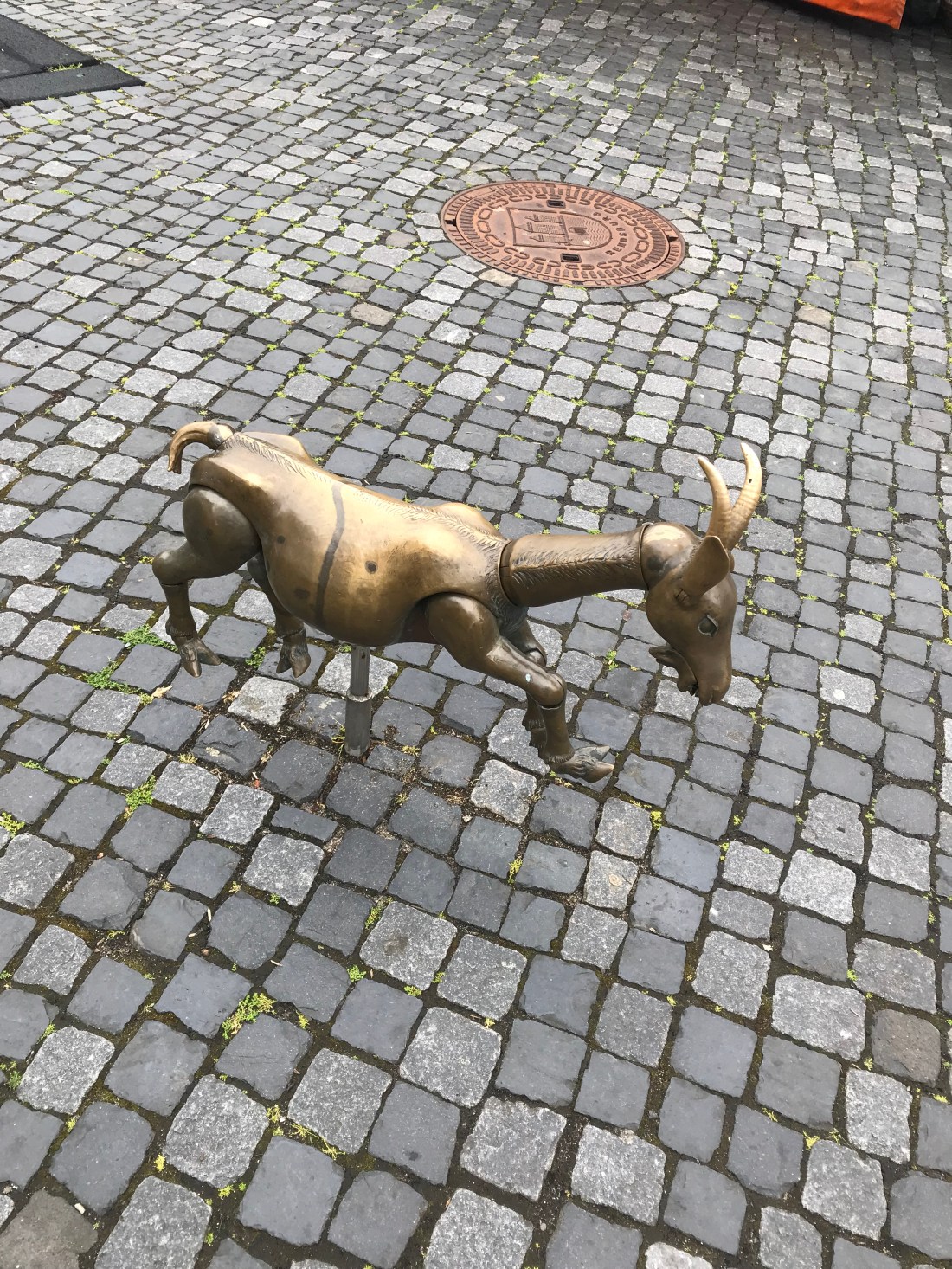
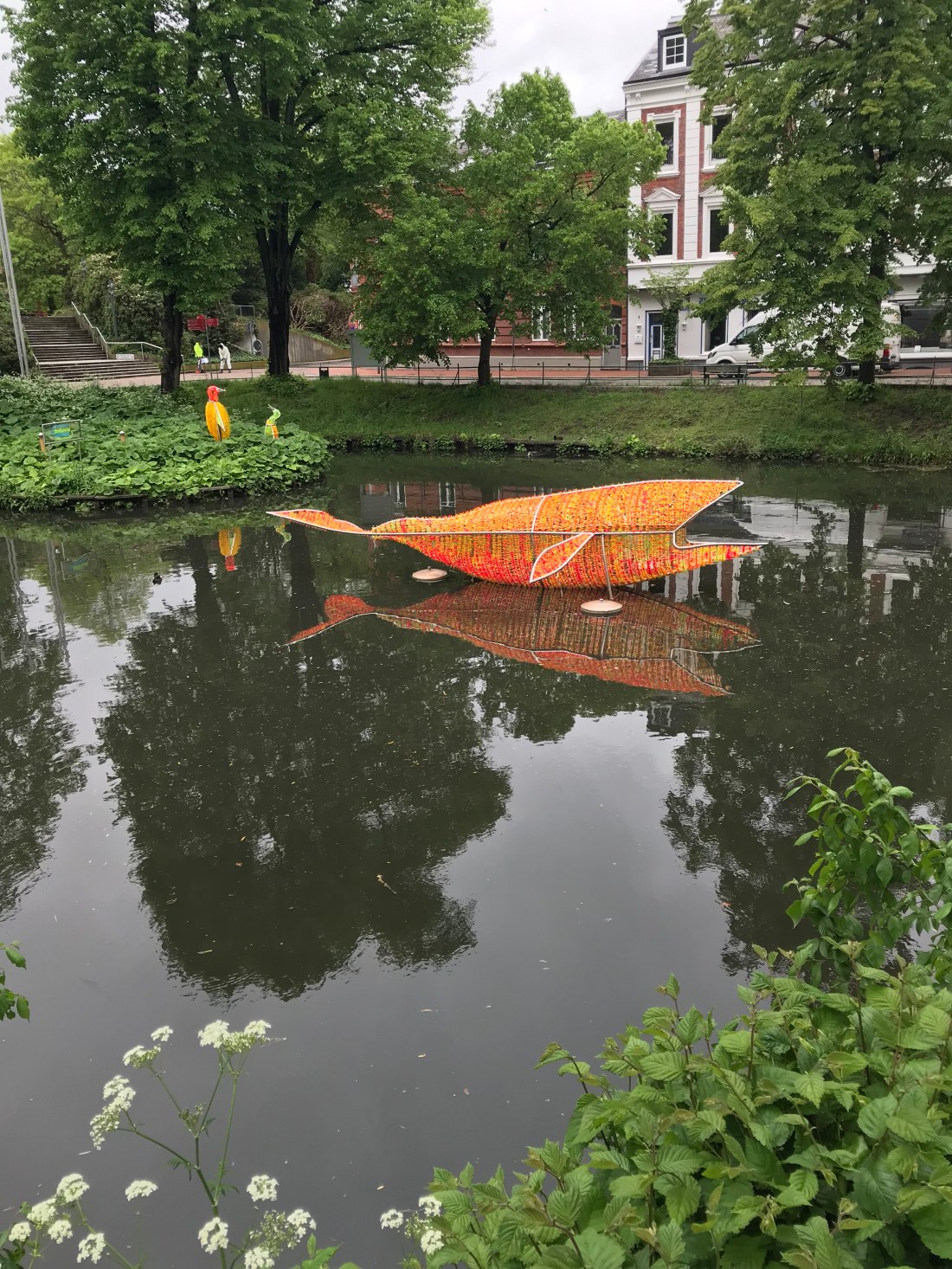
We spent 3 days going through the Canal ( 2 days traveling and a day in the middle at a place called Rendsburg. Have to say it had a good supermarket , some cool kids playground fixtures and an orange fish but that is about it. We did the city tour (follow a blue painted line round the town ). The attractions were “this is a very old German house” ” this is a very old Danish house” ” this is built out of the remains of an old fort” ” this is where they cooked for the old fort” …….. The marina was quite nice – first encounter with this Scandinavian parking system.
Parking Baltic Style
You have 2 metal poles out from the Jetty (if you are lucky they are wider than your boat – as we found out we have a fat boat by Scandinavian standards and have since been unlucky!!!), You aim between these and drive at speed to the Jetty, or the wind will blow you sideways into other boats. You loop ropes over the poles as you pass them (or more correctly bounce off them listening to your expensive fiberglass boat getting a light sanding) then slam on the anchors before you go through the jetty. At which point you stop just inches from the Jetty (you hope) so someone (Jenny) can climb over the anchor and round the fore stay and elegantly step off and tie the bow lines. Finally you both go below and have a stiff drink, agreeing that if couples survive parking in the Baltic, they will survive anything. It’s unquestionably the stupidest way to park your boat ever invented, even the locals get it wrong more often than they get it right.


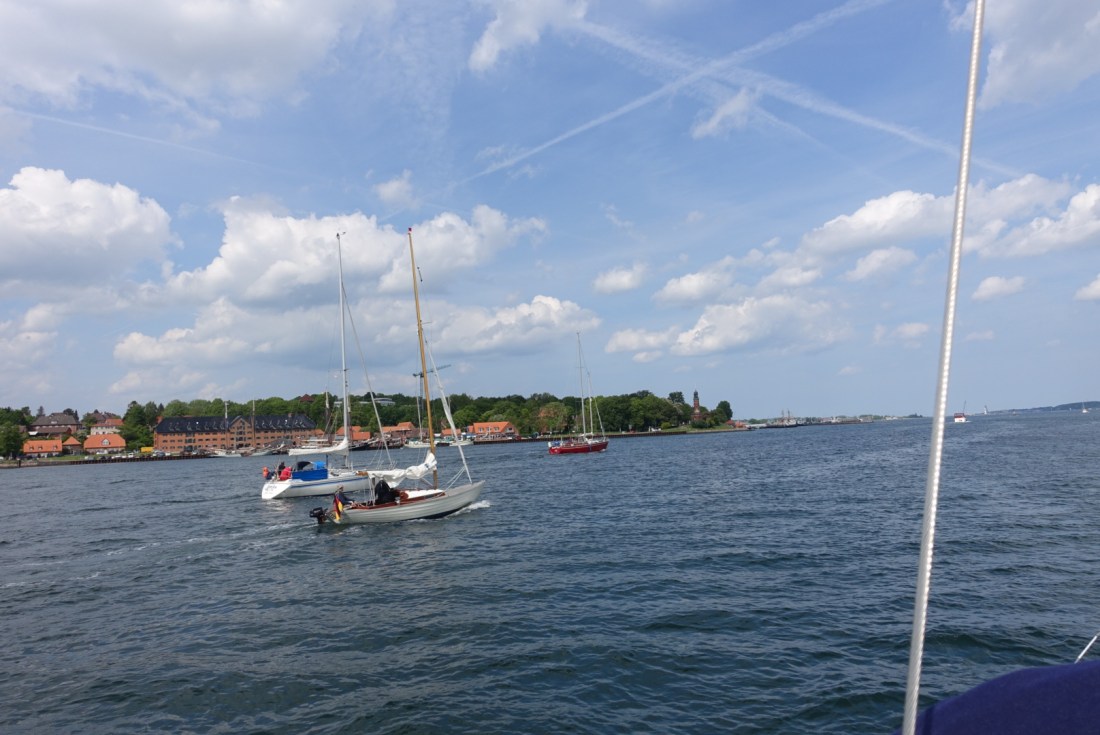
So here starts the Baltic adventure…..

 Feath
Feath 
What a great catch-up you have provided – feels like we are there with you, enjoying every success, and feeling every bead of frustration as challenges arise. Some of your photos are quite fabulous. Thank you for the updates – keep them coming. Stay safe! x
LikeLike